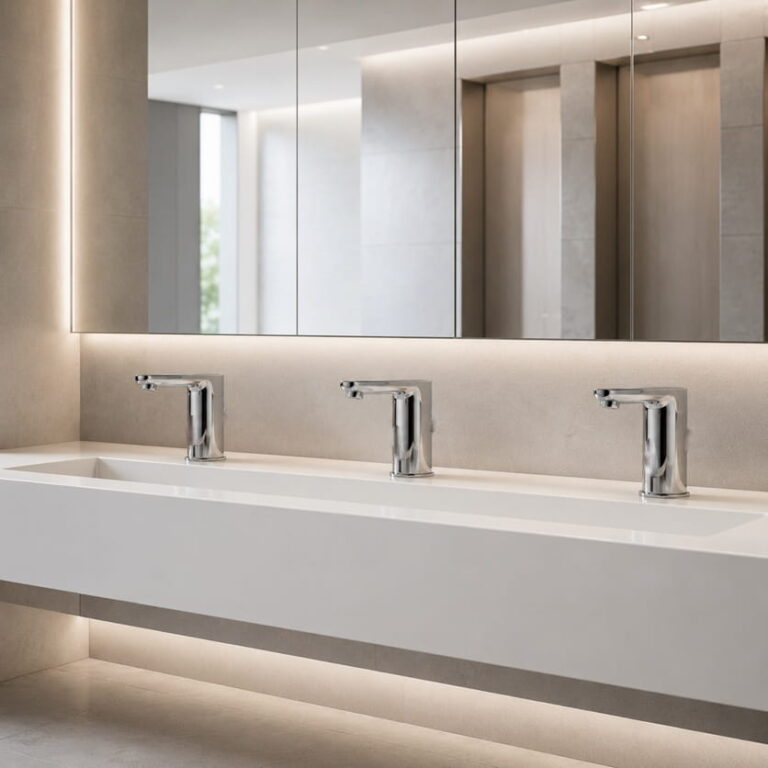
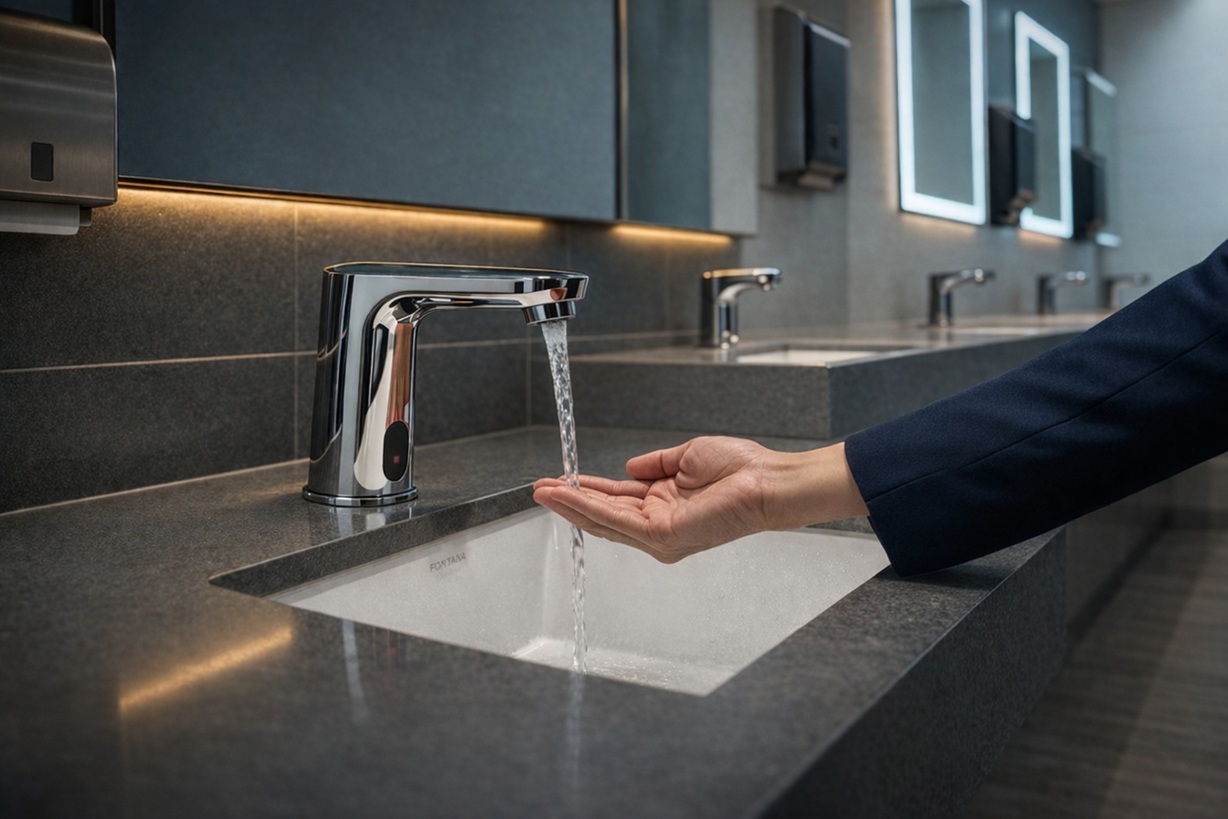
Are touchless faucets worth it in 2026? The short answer is yes — but only if you understand the real costs, savings, and use cases. While touchless faucets can reduce water usage by up to 70% and improve hygiene, they also come with higher upfront costs and maintenance considerations.
In this guide, we break down real ROI numbers, long-term savings, advantages, disadvantages, and when touchless faucets are NOT worth it — so you can make a smart, cost-effective decision.
For a deeper breakdown of how sensor technology works, check out our guide on how touchless faucets actually work.
Quick Answer: Are Touchless Faucets Worth It?
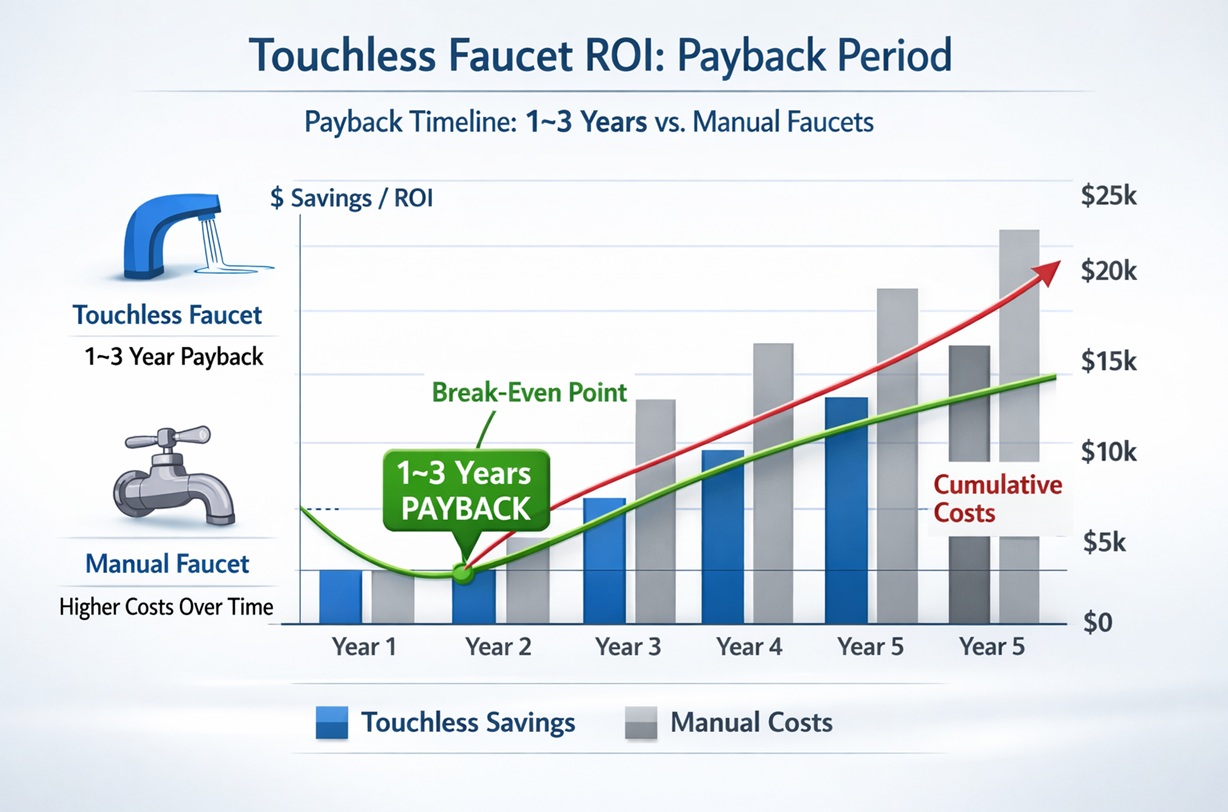
📊 Figure 1: ROI comparison between touchless and manual faucets over 5 years
Touchless Faucet ROI Calculator (Real Numbers)

💧 Figure 2: Annual water consumption comparison
Pros of Touchless Faucets (2026 Update)
- 💧 40–70% water reduction – Automatic shut-off prevents wasted water.
- 🦠 Superior hygiene – No handles means zero cross-contamination risk.
- 💰 Lower utility bills – Less water and hot water usage.
- 🧹 Reduced cleaning time – No handles to wipe down or sanitize.
- ♿ ADA compliant easily – No need for lever handles.
- 🏗️ Modern aesthetic – Sleek design preferred by architects.
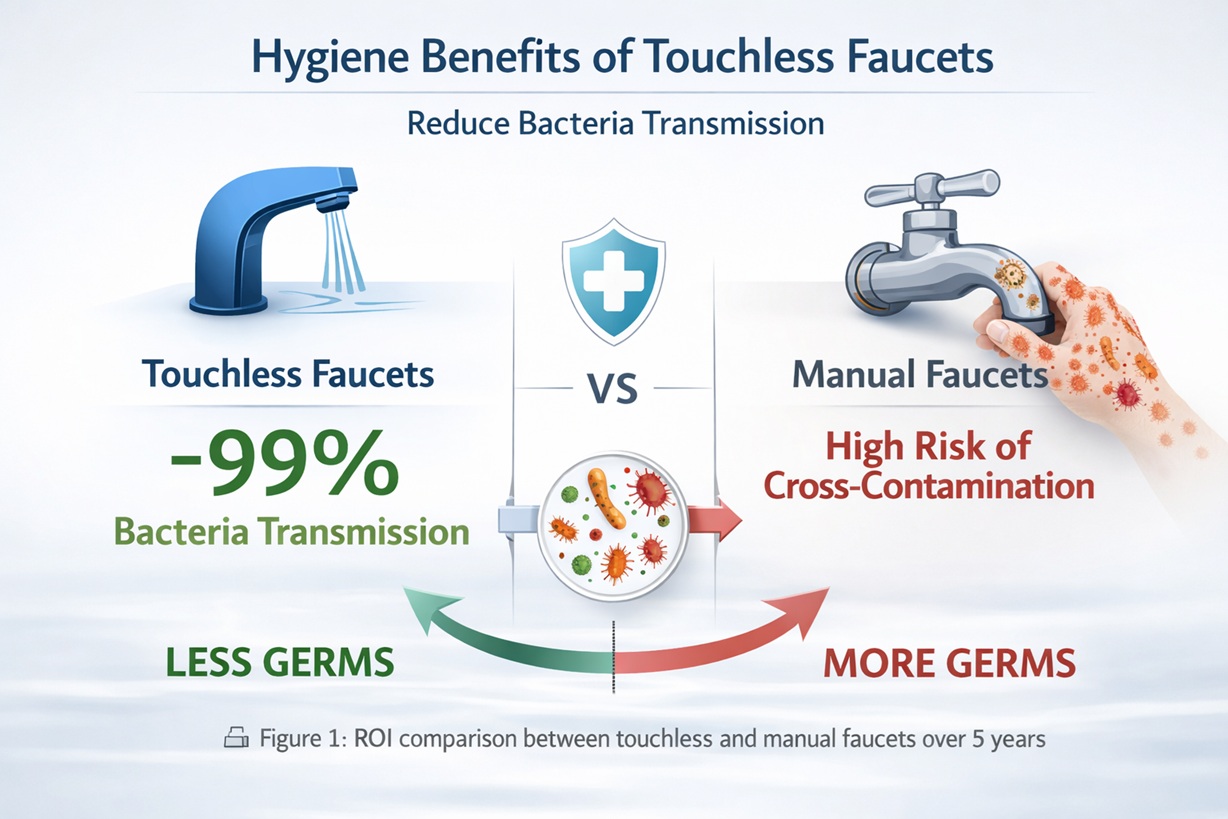
🦠 Figure 3: Bacteria reduction comparison
Best Touchless Faucets Worth Buying in 2026
- Moen Arbor MotionSense – Best for smart homes and kitchens
- Delta Trinsic Touchless – Best modern design and reliability
- Sloan Sensor Faucet – Best for commercial and high-traffic environments
- Fontana Touchless Collection – Best for architectural and luxury commercial projects
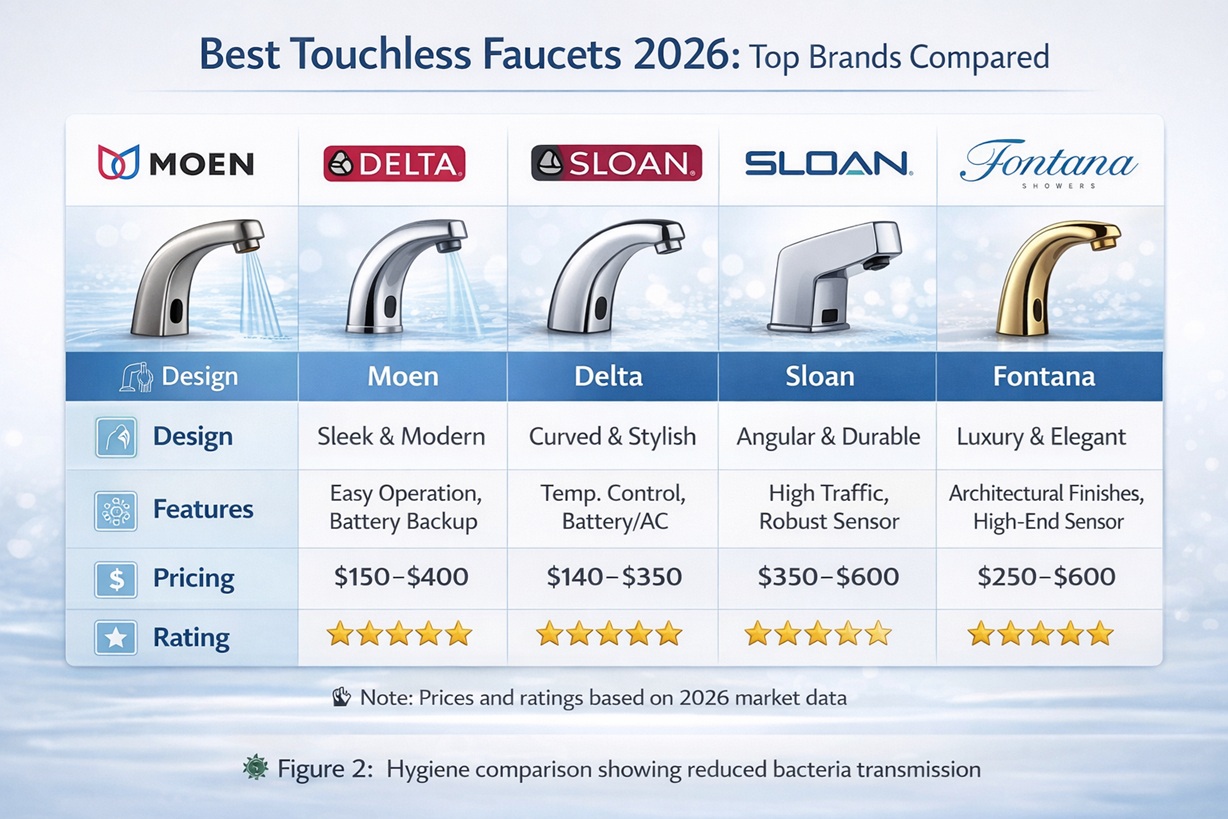
🏆 Figure 4: Top-rated touchless faucets for 2026
Cons of Touchless Faucets (Honest Assessment)
- 💰 Higher upfront cost – 2–5x more expensive than manual faucets.
- 🔋 Battery replacement – Every 1–2 years.
- 🔧 Sensor maintenance – Sensors need occasional cleaning.
- ⚡ Power dependency – Hardwired units won’t work during outages.
- 🎯 Sensor range issues – Can false-trigger or fail to detect.

🔧 Figure 5: Common maintenance tasks
When Are Touchless Faucets NOT Worth It?
- 🏠 Low-use residential powder rooms – Payback period exceeds 5 years.
- 🔧 Homes with no DIY skills – Installation may require a plumber.
- 🏚️ Rental properties – Tenants may not understand sensor operation.
- 💵 Tight budget, urgent need – Manual faucet is cheaper today.
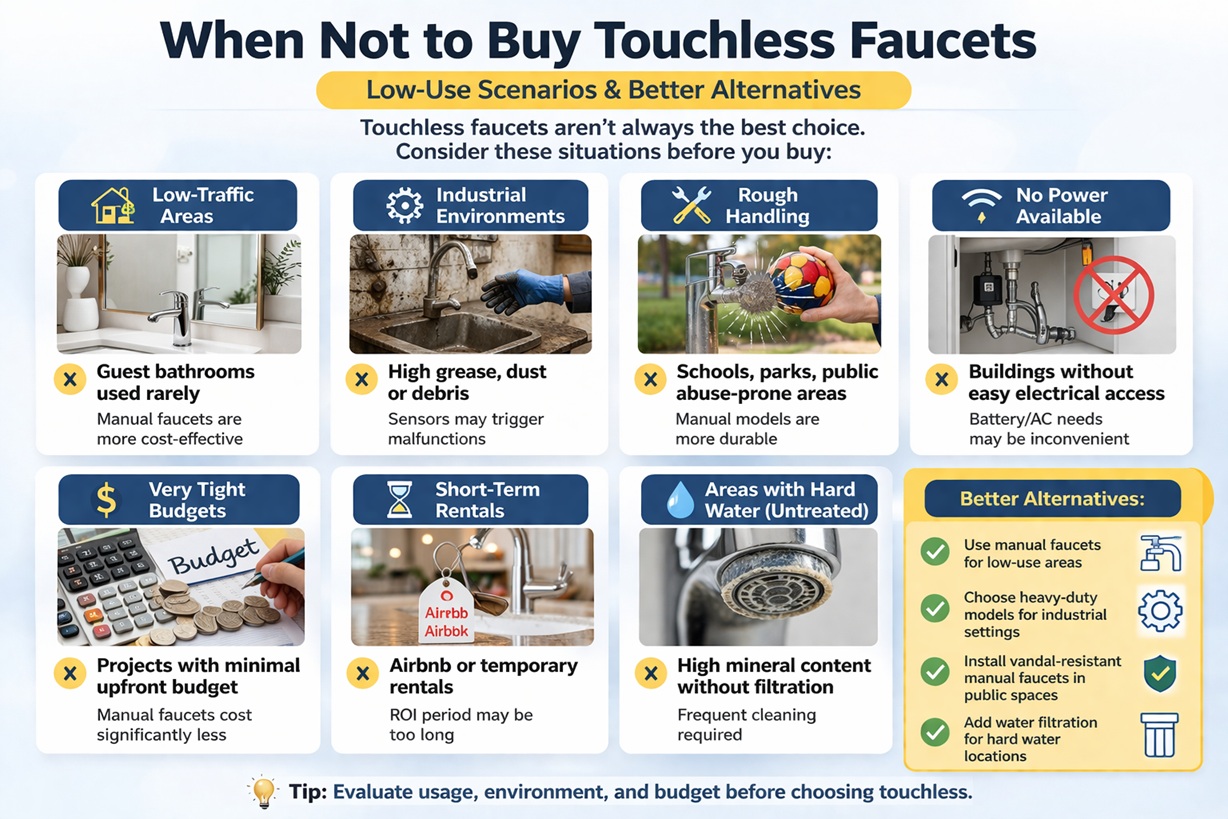
⚠️ Figure 6: Scenarios where manual faucets may be better
Touchless vs Manual Faucets: 5-Year Cost Comparison

📊 Figure 7: Total cost of ownership comparison (5 years)
Start with our beginner’s guide: What Is a Touchless Faucet and How Does It Work? (2026 Guide)
Frequently Asked Questions (FAQ)
Final Verdict: Are Touchless Faucets Worth It in 2026?
Touchless faucets are absolutely worth it for most homes and commercial spaces in 2026. They offer a strong return on investment through water savings, improved hygiene, and reduced maintenance.
⚠️ NOT RECOMMENDED for: Extremely tight budgets, rarely-used guest bathrooms, or properties with unreliable power.
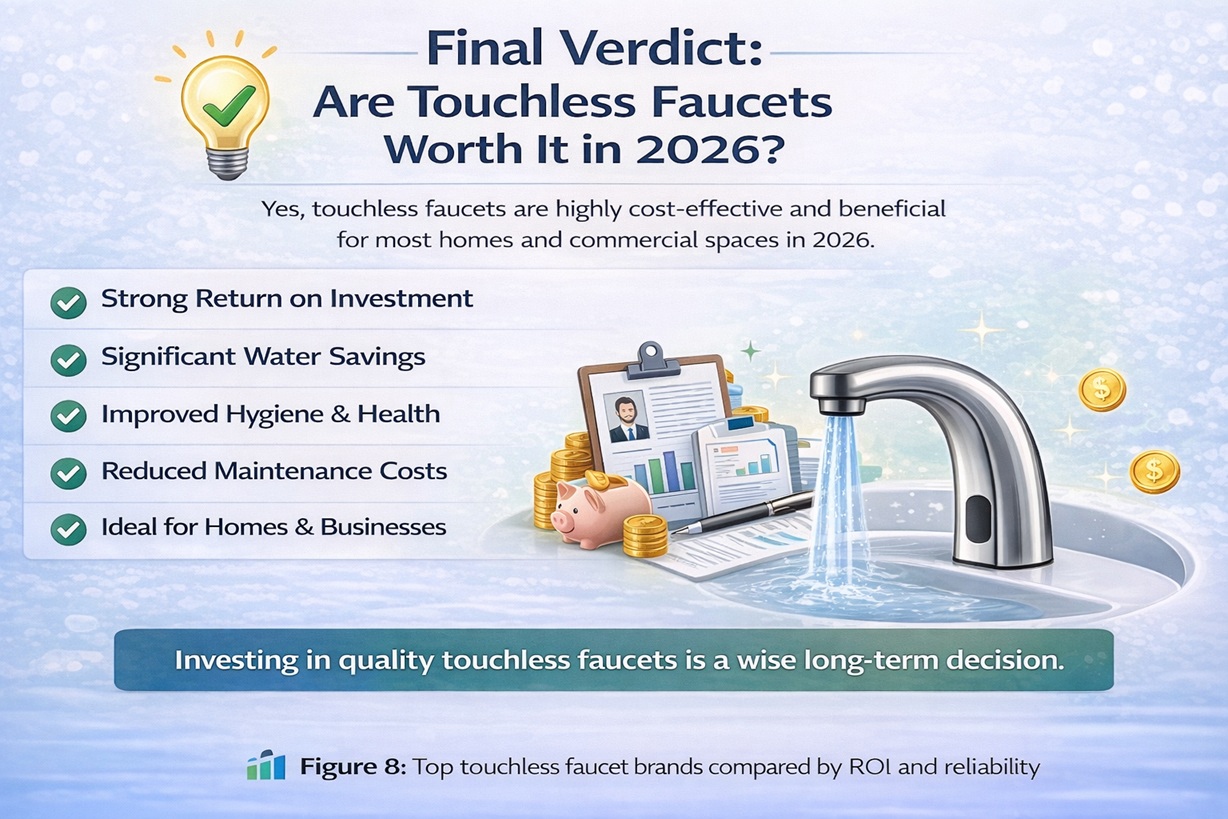
🎯 Figure 9: Final decision matrix
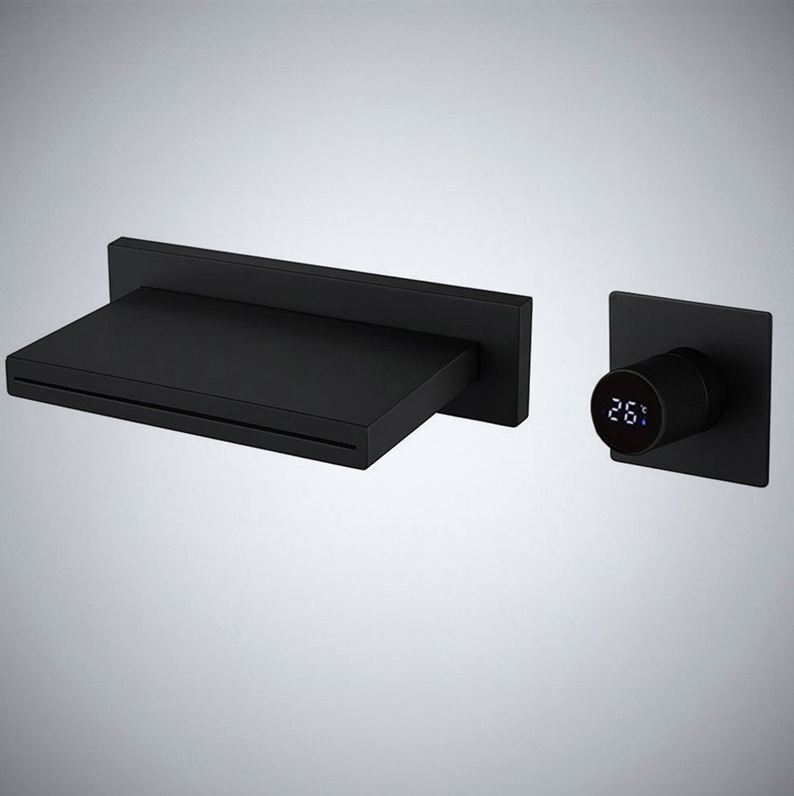
Fontana Touchless Collection
Explore premium architectural touchless faucet models designed for commercial restrooms, luxury hotels, and modern AEC projects.



Contact our AEC support for BIM files, CAD drawings, and bulk pricing
🧠 Final Thoughts: Why Touchless Faucets Are the Future
Touchless faucets have evolved from a convenience feature into a critical standard for modern hygiene, sustainability, and smart infrastructure. By combining sensor technology with efficient water control, they help reduce contamination risks, lower operational costs, and improve overall user experience.
As industries continue to prioritize health, automation, and environmental responsibility, touchless solutions are becoming essential across commercial, healthcare, hospitality, and high-end residential spaces.
In short — adopting touchless faucets today means investing in long-term efficiency, safety, and innovation.
🚀 Ready to Take the Next Step?
Whether you’re an architect, contractor, or facility manager — we’re here to help.