
Comparative evaluation • AEC lens • Submittals • Commissioning • O&M
In commercial restrooms, touchless faucets are control devices tied to water efficiency, uptime, hygiene operations, and user experience. For airports, universities, healthcare, stadiums, government buildings, and large office portfolios, the question is which platform delivers predictable performance with the least maintenance friction across years of service.
This article compares Zurn and Sloan as two long-established commercial leaders. It is written for architects, engineers, contractors, and facilities teams who need a practical, non-salesy framework that holds up in submittal review, commissioning, and O&M.
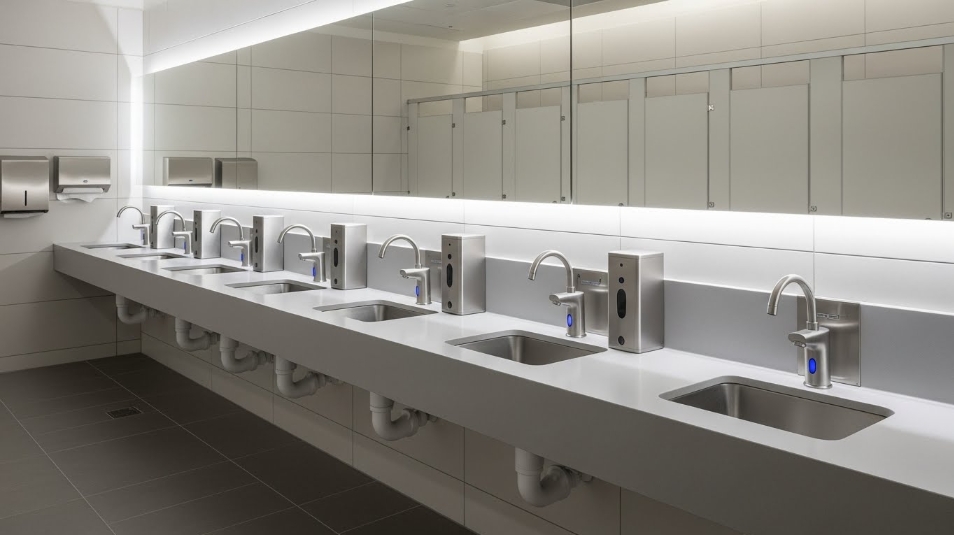
AEC evaluation framework: what “better” means in the field
A reliable touchless faucet system balances five competing constraints:
- Sensing stability: avoids false triggers, ghosting, and no-read events across reflective basins, bright lighting, and cleaning cycles.
- Hydraulic tolerance: maintains steady performance under variable pressure, debris, and scale while minimizing water hammer and nuisance shutoffs.
- Power strategy and lifecycle labor: battery programs can work, but they are still a program. Hardwire and hydropower can reduce battery labor but add coordination.
- Serviceability and parts standardization: faster diagnosis, fewer unique parts, and repeatable repair workflows matter more than brochure features.
- Water conservation outcomes you can defend: flow rate is only part of savings. Reliable timeouts, metering, and shutoff behavior keep gallons down.
Architecture differences that drive maintenance and uptime
Zurn: solenoid-driven platforms plus gear-driven ceramic cartridge options
Zurn offers classic solenoid-driven sensor faucets and also markets gear-driven designs on specific families, where a gear-driven ceramic cartridge is positioned as less susceptible to debris and buildup than solenoids.
Two Zurn examples help illustrate the split:
- Zurn Z6913-XL (solenoid-driven): marketed with infrared proximity sensing and a 30-second timeout.
- Zurn ZG6951 (gear-driven): markets Bluetooth configuration, line flushing, sensor sensitivity settings, hydropower option, and high-efficiency flow rates on select configurations.
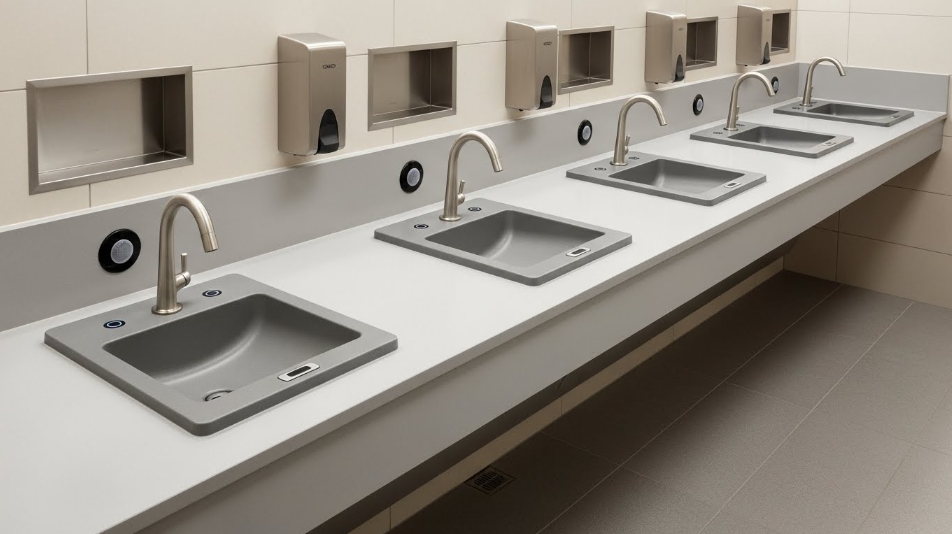
Sloan: strong “system” identity, scalable documentation, and connected configuration tooling
Sloan’s BASYS platforms are widely used in commercial settings and are supported by a deep technical document library intended to help teams specify, install, and service consistently. Sloan also emphasizes connected products and Bluetooth configuration via Sloan Connect, including line flush, timeouts, sensor range adjustment, battery checks, and usage reporting capabilities.
Reliability is mostly commissioning discipline, not brand choice
Touchless faucets fail in predictable ways, regardless of logo:
- filters and strainers clogging after remodels
- sensor window contamination from soap mist and harsh cleaners
- supply pressure and temperature swings causing inconsistent flow behavior
- under-deck cable strain and connector issues
- battery depletion patterns that do not match the owner’s replacement cycle
Documentation and service workflows
Zurn provides IOM and parts manuals for common sensor faucet series, including AquaSense Z6912, Z6913, and Z6915 families. Sloan provides repair and maintenance guidance for BASYS EFX series, including repair and maintenance guides used for troubleshooting and parts identification.
Water conservation performance: it is more than gpm
What actually reduces gallons in high traffic restrooms
- low-flow outlet devices that still meet user expectations
- metering behavior that encourages short, effective handwashing cycles
- timeouts that stop unattended run-on
- stable sensing that avoids repeated false activations
Both brands can deliver strong conservation outcomes, but only if the project team specifies and verifies settings. A 0.5 gpm faucet that false-triggers all day is not water-saving in real life.
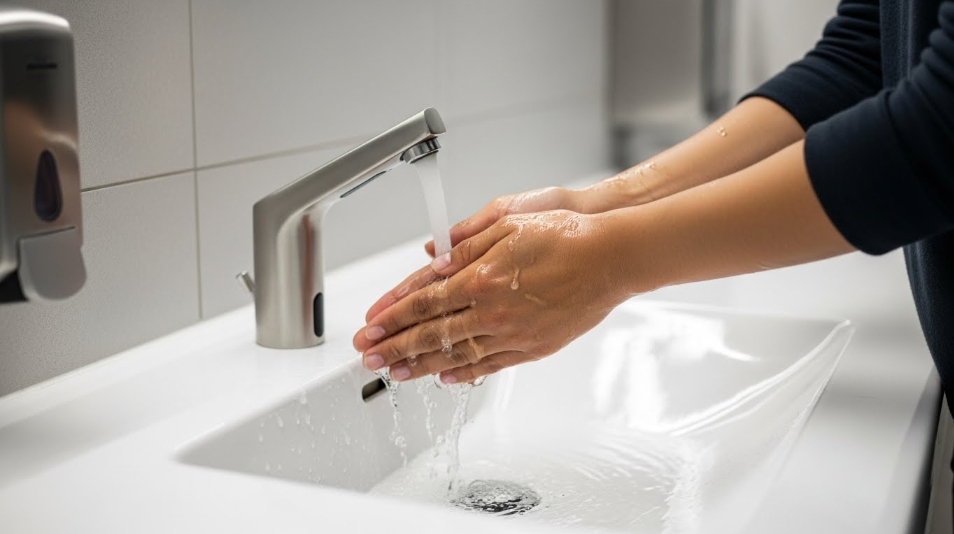
Power strategy: battery, hardwire, and hydropower impacts
Zurn: hydropower as a battery labor reducer
Zurn’s Hydro•X Power is presented as a way to generate and store power from flowing water, positioned as an alternative to batteries and hardwired connections. Hydropower tends to fit best where restrooms have consistent daily use and owners want to reduce battery replacement labor.
Sloan: connected configuration and multi-fixture management support
Sloan emphasizes Bluetooth connectivity and connected products as a way to track and adjust settings and simplify maintenance tasks when used with discipline.
Decision matrix: which platform fits which building reality
| Scenario | What matters most | Zurn tends to fit when | Sloan tends to fit when |
|---|---|---|---|
| Airports and transit hubs | Uptime, fast service, repeatable settings | You want hydropower options and a gear-driven alternative to solenoids on some models | You want consistent portfolio standards and connected configuration for settings and line flush |
| Universities and large institutions | Standardization, parts stocking, service workflows | You can standardize on a small set of families and enforce a spares plan using IOM manuals | You want centralized tech docs and consistent BASYS service patterns across buildings |
| Healthcare and clinics | Reliability, stagnation controls, maintenance discipline | You plan a flushing strategy and use platforms that support settings and service access | You plan to use line flush features and consistent configuration management across the estate |
| Renovations and phased upgrades | Debris tolerance, retrofit constraints | Water quality is variable and you want a platform that can reduce solenoid rebuild frequency on select designs | You want predictable field workflows backed by detailed repair guides and parts breakdowns |
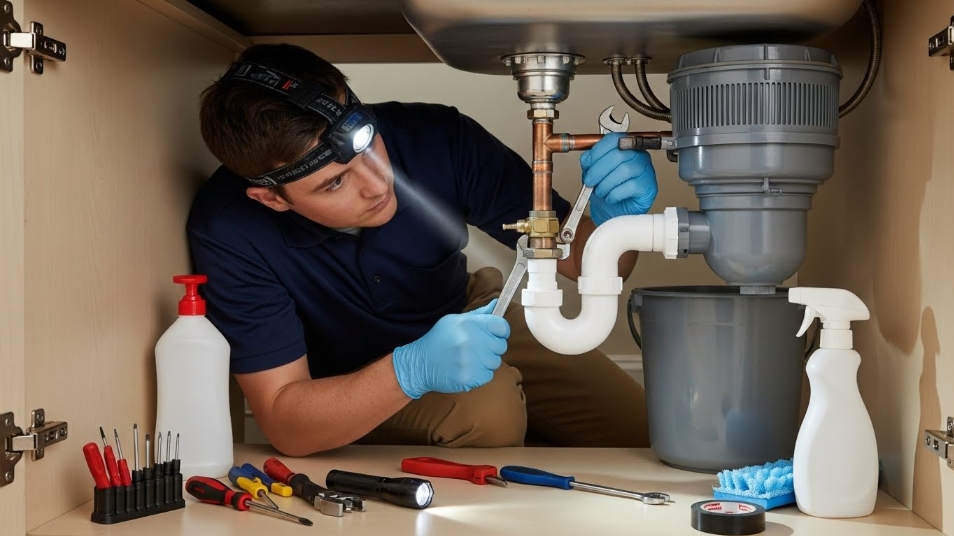
Spec and submittal checklist: make reliability measurable
| Requirement | Why it matters | What to ask for |
|---|---|---|
| Flow rate confirmation by restroom type | Prevents mixed gpm installs and user complaints | List of each faucet model, outlet type, and gpm by room |
| Timeout and activation mode settings | Drives real conservation performance | Documented timeout targets and activation mode |
| Filtration and strainer access plan | Reduces “mystery low flow” calls after remodels | Diagram showing stops, filters, and service clearance |
| Power plan | Prevents troubleshooting chaos and inconsistent battery life | Battery type and replacement cycle, or hardwire or hydropower design notes |
| Commissioning report | Makes performance repeatable over time | Final settings table and test signoff per restroom bank |
Standards and compliance anchors for AEC documents
- ASME A112.18.1 / CSA B125.1 is a key standard covering plumbing supply fittings and accessories between the supply stop and terminal fitting.
- EPA WaterSense at Work provides a commercial and institutional water efficiency BMP framework that supports conservation discussions beyond marketing claims.
Bottom line: who “wins” depends on what you are optimizing
If you define the winner as the faucet with the fewest service tickets, neither brand wins by default. The winner is the platform that matches the owner’s maintenance reality and is supported by a clear commissioning plan.
Choose Zurn when
- hydropower is attractive for reducing battery labor in high-use restrooms
- you want the option to move away from solenoid internals on select series via gear-driven ceramic cartridge designs
- you can enforce standardization and a spares plan around a defined model family with accessible IOMs
Choose Sloan when
- the owner prioritizes consistent service workflows backed by repair and maintenance guides
- connected configuration, line flush, timeout setting, and sensor range management will actually be used by facilities
- you want a clean technical documentation pathway for spec, install, and service teams