
In commercial and institutional facilities, faucet and fixture finishes are subjected to far more than aesthetic scrutiny. They endure daily exposure to aggressive disinfectants, abrasive cleaning tools, humidity, mineral deposits, and high-frequency human contact. While internal components such as cartridges and valves often receive primary engineering focus, finish durability and chemical resistance are equally critical to long-term performance.
For procurement professionals, architects, and facility managers, specifying finish performance standards is not simply about preserving appearance — it is about protecting asset longevity, maintaining hygiene compliance, and reducing lifecycle costs.
The Demands of Institutional Cleaning Protocols

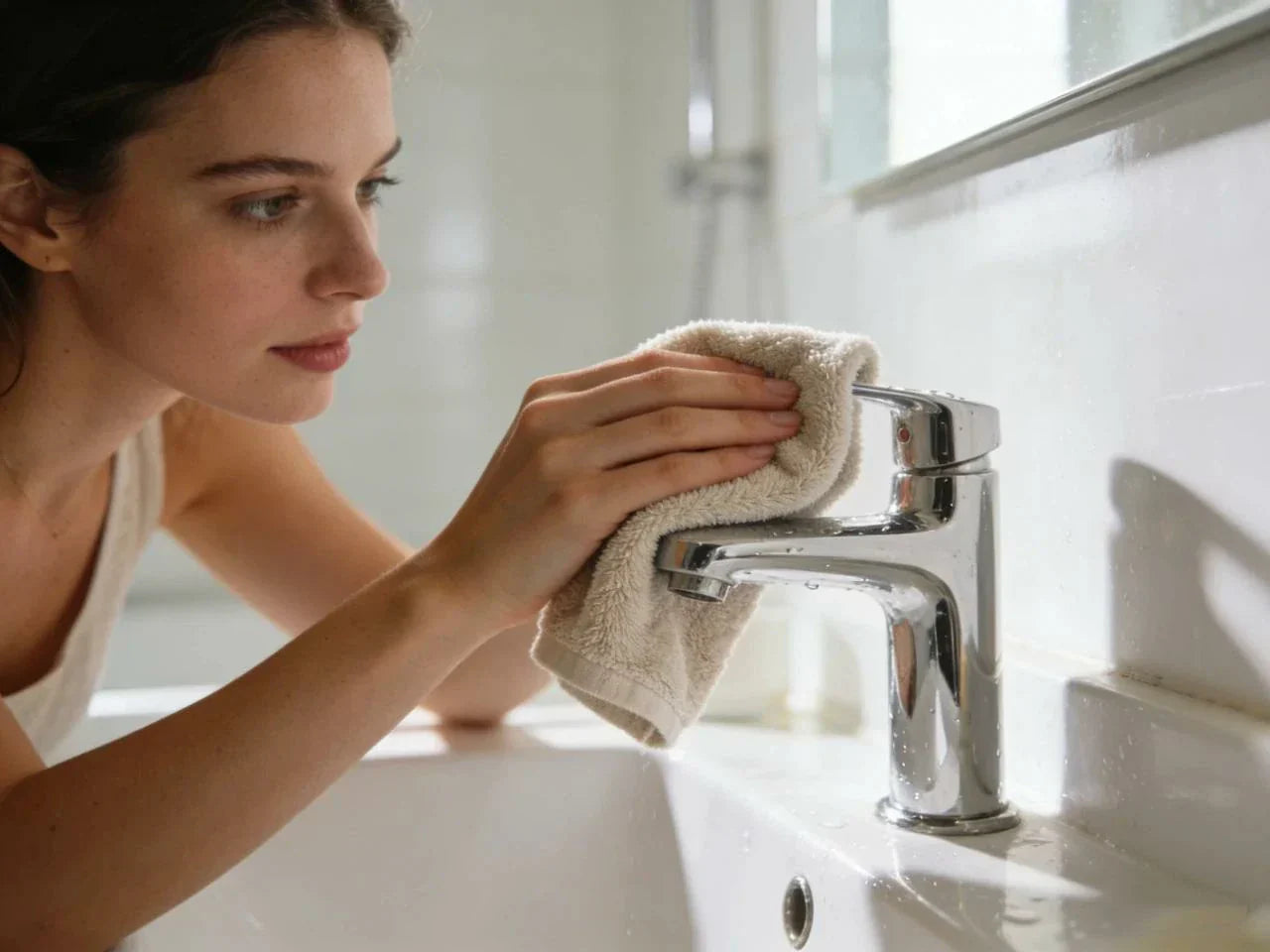


Commercial environments operate under strict sanitation protocols. Healthcare facilities, airports, universities, hospitality properties, and food-service operations frequently apply:
- Sodium hypochlorite (bleach-based disinfectants)
- Hydrogen peroxide cleaners
- Alcohol-based sanitizers
- Quaternary ammonium compounds
- Acidic descaling agents
- Degreasers and alkaline cleaners
Unlike residential cleaning routines, these substances may be applied multiple times daily. Fixtures in hospitals or high-traffic restrooms can undergo hundreds of wipe-down cycles per month.
Without adequate chemical resistance, finishes can experience:
- Surface dulling
- Micro-pitting
- Peeling or delamination
- Discoloration
- Premature corrosion
Over time, cosmetic degradation can escalate into structural vulnerability.
Understanding Commercial Finish Technologies


Not all finishes are engineered to withstand institutional-grade cleaning. Procurement teams should understand the technologies commonly used in commercial faucet manufacturing.
1. Electroplated Chrome
Chrome plating remains widely used due to its polished aesthetic and cost efficiency. However, durability depends heavily on plating thickness and substrate preparation. Thin or poorly bonded plating may degrade under harsh chemical exposure.
2. Physical Vapor Deposition (PVD)
PVD coatings bond at a molecular level to the base metal, producing a harder, more abrasion-resistant surface. In commercial applications, PVD often outperforms traditional plating in both scratch resistance and chemical durability.
3. Powder-Coated Finishes
Popular in matte black and designer finishes, powder coatings provide aesthetic flexibility. Their longevity depends on curing quality and coating uniformity. Lower-grade applications may fade or blister when exposed to disinfectants.
4. Solid Stainless Steel
Solid stainless steel eliminates coating delamination risk and provides inherent corrosion resistance. While not immune to chemical damage, it offers strong performance when paired with proper maintenance protocols.
Why Chemical Resistance Is a Performance Standard
Chemical resistance directly affects both hygiene and structural integrity.
Surface Integrity and Bacterial Control
Micro-pitting caused by chemical attack can create surface irregularities that harbor bacteria or biofilm. In healthcare and food preparation facilities, compromised surfaces can conflict with sanitation standards.
Corrosion Prevention
The finish acts as a protective barrier between the environment and the base metal. Once breached, moisture and oxygen accelerate oxidation. Corrosion beneath a failing coating can spread unnoticed until the fixture requires replacement.
Preservation of Brand and Facility Image
In hospitality and high-visibility public spaces, deteriorated finishes undermine perceived cleanliness and quality. Maintaining visual consistency supports brand reputation and guest confidence.
Abrasion Resistance Under Repeated Cleaning
Chemical exposure is only part of the equation. Mechanical abrasion from daily wiping, microfiber cloths, and occasional scouring pads gradually reduces coating thickness.
High-quality finishes are evaluated using:
- Scratch hardness testing
- Cross-hatch adhesion tests
- Taber abrasion testing
- Salt spray corrosion tests
These standardized tests simulate real-world wear and provide measurable indicators of durability. Procurement teams should request laboratory documentation when evaluating commercial-grade fixtures.
Environmental Stress Factors
In addition to chemical cleaners, commercial faucets face:
- Hard water mineral deposits
- Continuous humidity
- Temperature fluctuations
- Frequent physical contact
Mineral buildup often requires acidic cleaners for removal, further stressing the finish. Fixtures in locker rooms, spas, and healthcare settings may remain damp for extended periods, increasing corrosion risk if finishes are compromised.
Lifecycle Cost Implications
Initial cost savings from lower-grade finishes can result in accelerated replacement cycles. Facilities managing hundreds of fixtures must consider:
- Labor costs for replacement
- Downtime during maintenance
- Warranty claim processing
- Potential water damage from corrosion
Specifying finishes engineered for high chemical resistance reduces total cost of ownership and supports predictable capital planning.
Procurement Evaluation Framework
To align finish performance with institutional requirements, decision-makers should:
- Request corrosion and chemical resistance test results
Confirm salt spray test hours and chemical immersion data. - Verify coating thickness specifications
Adequate thickness is critical for long-term durability. - Confirm compatibility with cleaning agents
Ensure manufacturer approval for disinfectants used on site. - Review finish warranty terms
Clarify exclusions related to chemical exposure and cleaning methods. - Match finish technology to facility type
Healthcare environments demand higher resistance thresholds than standard office spaces.
Balancing Aesthetic Innovation with Performance
Modern commercial design increasingly incorporates matte finishes, brushed textures, and specialty colors. While visually appealing, these finishes must meet rigorous durability standards.
A finish that performs well in a showroom may fail prematurely in a hospital or airport. Procurement strategy must prioritize measurable durability over trend-driven aesthetics.
Conclusion
Finish durability and chemical resistance are foundational performance standards for commercial faucets and fixtures. In institutional environments defined by aggressive sanitation cycles and heavy use, coatings must withstand both chemical attack and mechanical abrasion.
Evaluating finish technologies, requesting laboratory test documentation, and aligning material performance with cleaning protocols protects not only appearance but also structural integrity and long-term operational budgets.

With expertise in commercial restroom systems, I specialize in touchless faucets, MultiFeed soap dispensers, and high-performance bathroom fixtures for large-scale projects. My focus is on durability, hands-free hygiene, and lifecycle efficiency in high-traffic environments such as airports, healthcare facilities, and corporate buildings.
Working closely with architects, engineers, and facility managers, I provide technical insight into sensor-driven solutions, water efficiency, and smart fixture integration—helping deliver reliable, sustainable, and user-focused commercial designs.