
Form • Performance • Durability • Cleanliness
Sensor Faucet Lessons for High-Traffic Restrooms
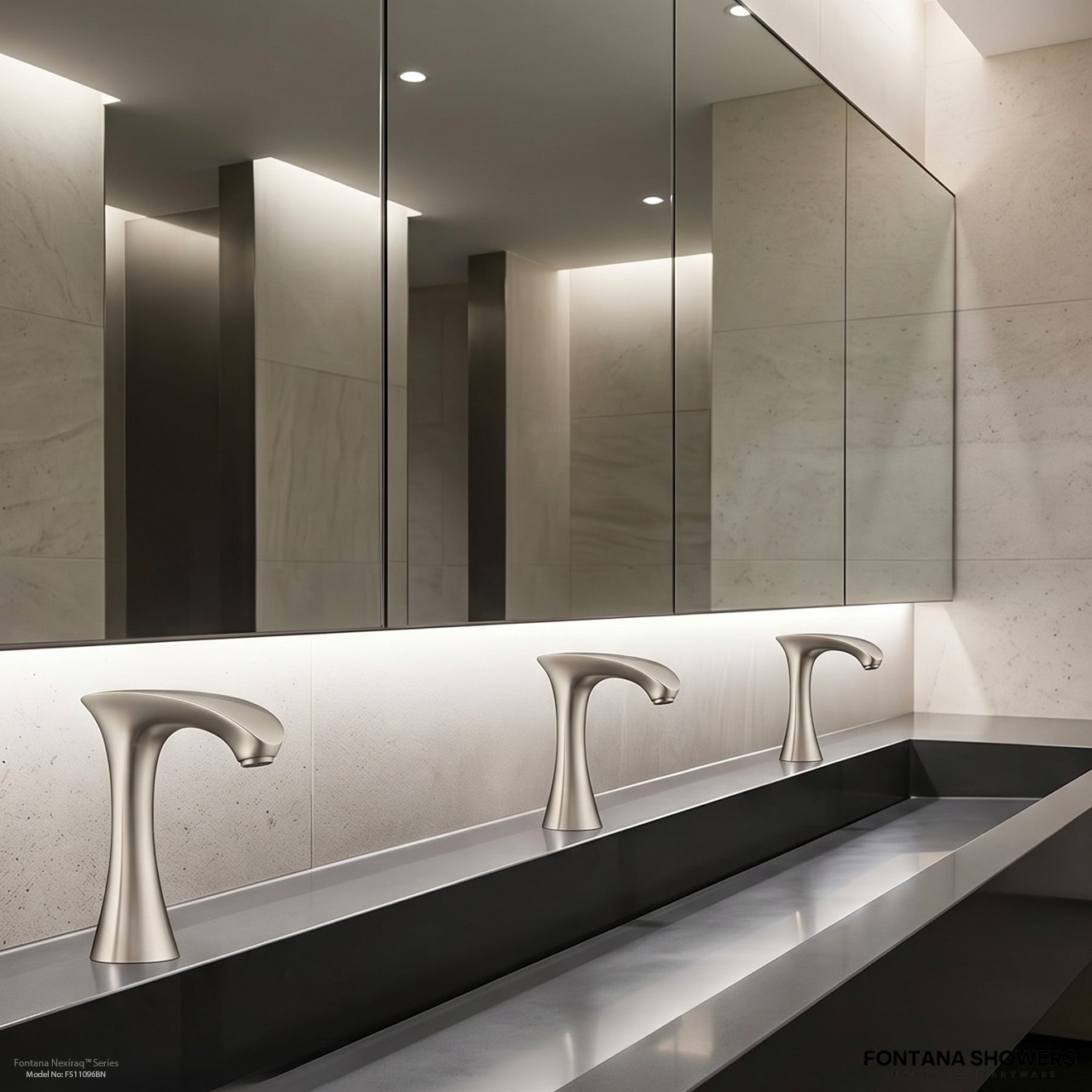
In the commercial design world, form, performance, durability, and cleanliness have to go together particularly in high-traffic public restrooms. Airports, stadiums, hospitals, malls, and universities see constant day-in-day-out usage, applying tremendous stress to restroom hardware. Sensor faucets, previously thought of as luxury indulgences, are now a default necessity because of their hands-free cleanliness, water conservation, and low touchpoint profiles.
For facilities planning restroom upgrades, these lessons show why sensor faucet selection should start with traffic patterns, maintenance access, water conditions, and power planning before model choice, helping teams protect cleanliness, uptime, budget control, and long-term user confidence across campuses.
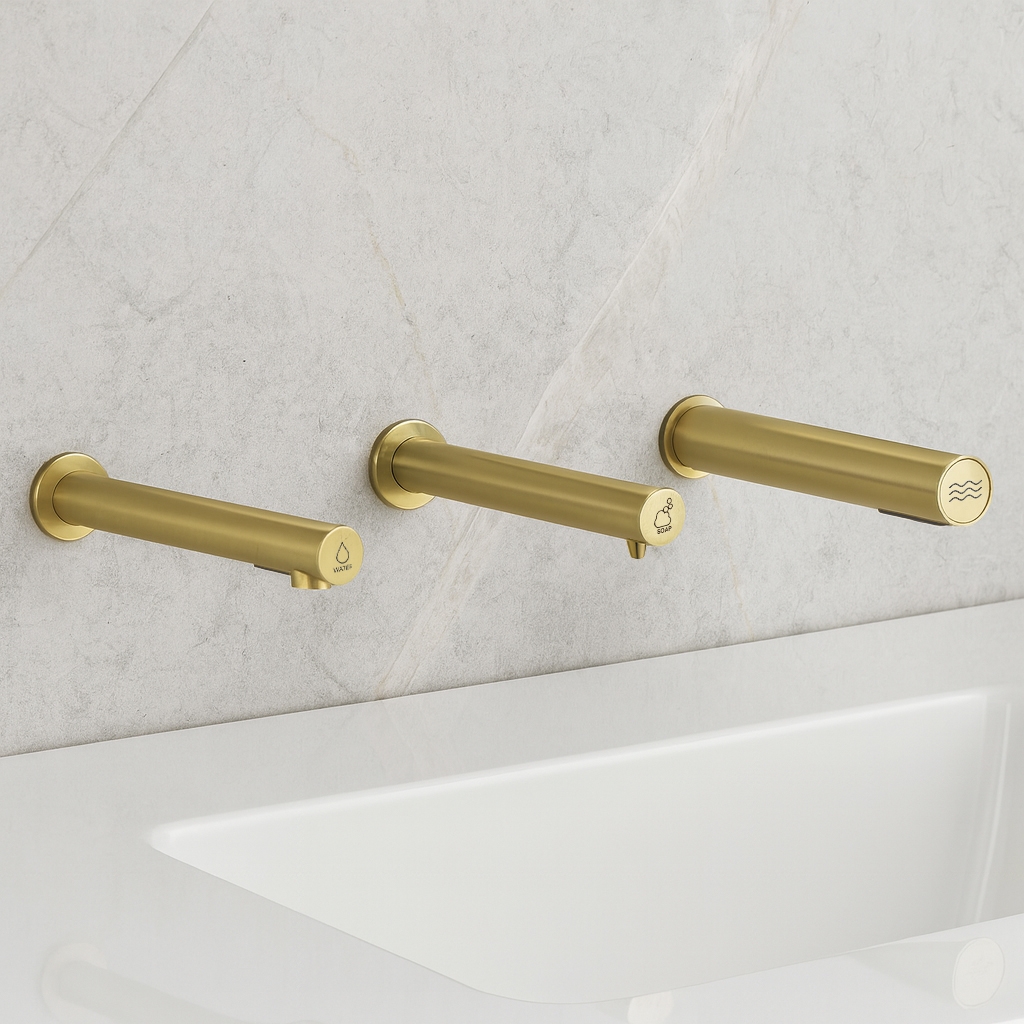
At FontanaShowers, a premier provider of commercial bathroom technology, more than a decade of installing sensor faucets in high-traffic establishments has provided a rich source of experience. This blog distills 10+ actual projects’ lessons and how careful planning, product choice, and professional installation can make the difference between smooth operation and expensive retrofits.
Source reference
1. Knowing the Venue is Step One
No two projects are alike. A hospital restroom requirement is vastly different from a sports venue. Lesson number one, the critical first lesson: context determines configuration.
In healthcare facilities such as the MediCentral Hospital Project, Fontana’s engineers wanted antimicrobial finishes, battery-powered power supply for blackout capability, and extended activation time to support surgical scrubs. Conversely, at the Delta Field Stadium, faucet activation needed to be immediate and short, designed for velocity and durability with halftime rushes.
Pro Tip: Do a use-case review. Who uses it? How many an hour? What hygiene risk is involved? Adjust sensor sensitivity, flow rate, and activation range accordingly.
2. Go Tough on Durability Not Just Looks
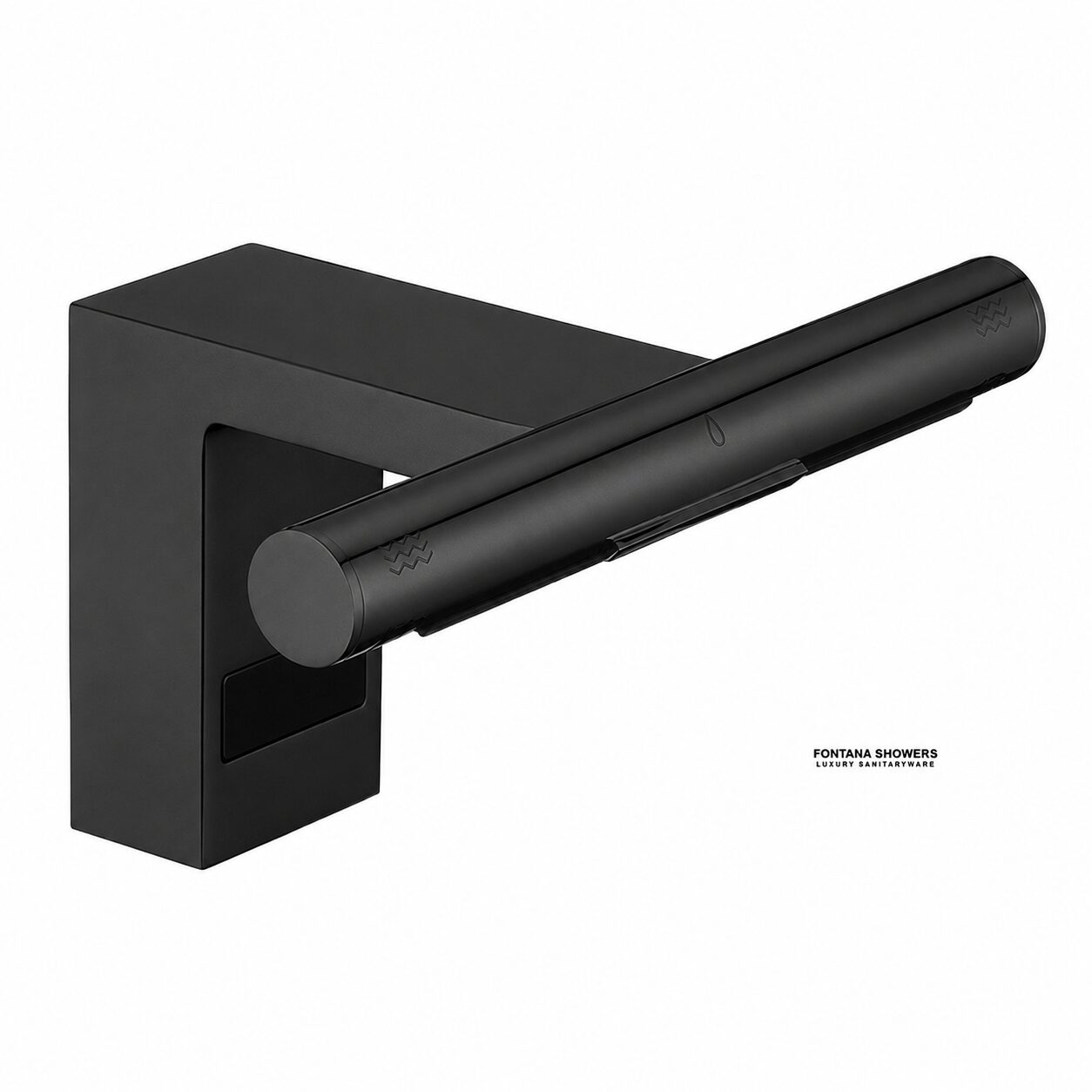
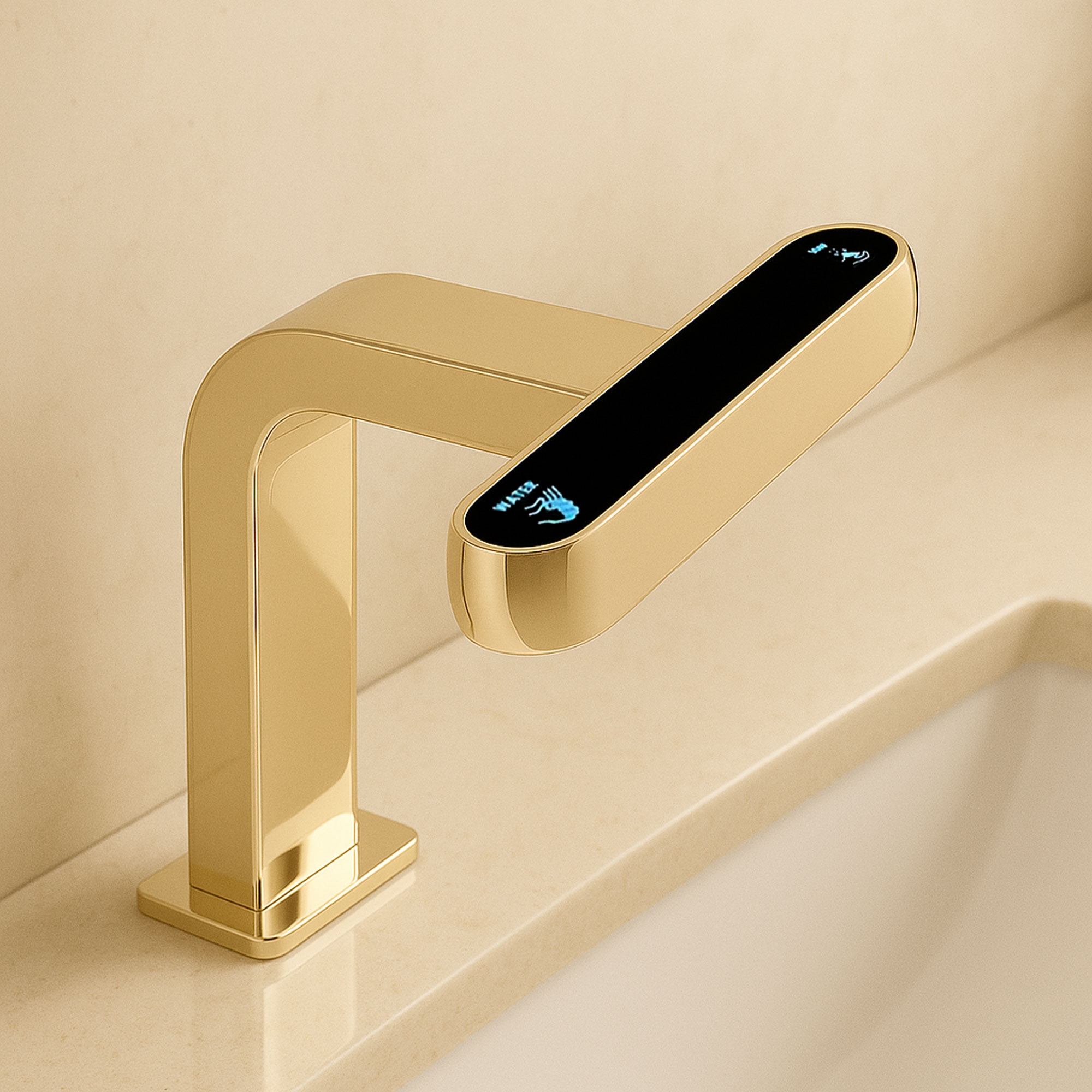
One of the most prevalent errors among specifiers is specifying sensor faucets based on sleek looks without heeding the abuse they will receive in public use. Fontana’s experience within transit terminals such as Metroline Airport indicated that chrome-plated plastic parts frequently couldn’t last more than one year through continuous usage.
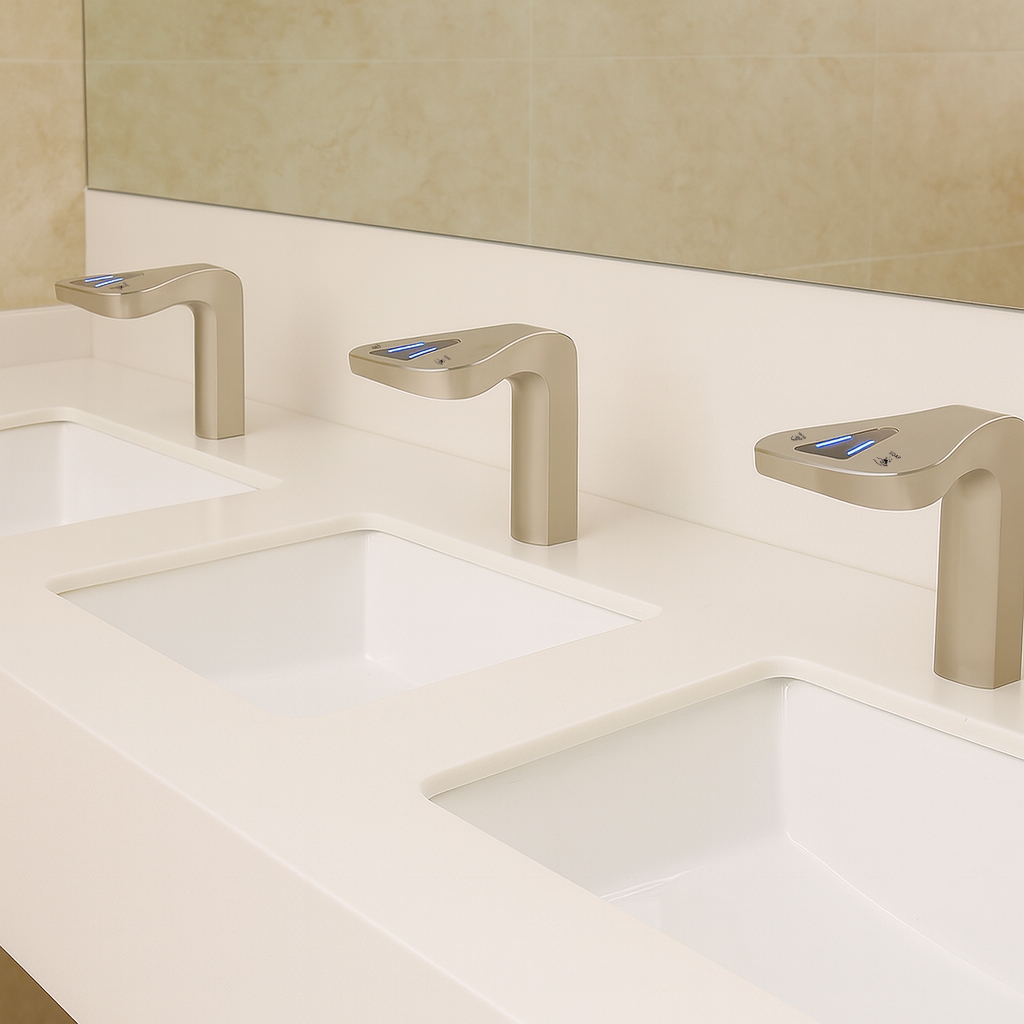
Fontana’s solution? Solid brass construction, vandal-resistant aerators, and tamper-proof infrared sensor features that were essential in keeping the Capital Bus Terminal faucet system running maintenance-free for more than three years.
Key Takeaway: Always choose commercial-grade sensor faucets. Residential versions won’t withstand commercial pressure, even if the specs appear the same at first.
3. Streamline Maintenance and Access
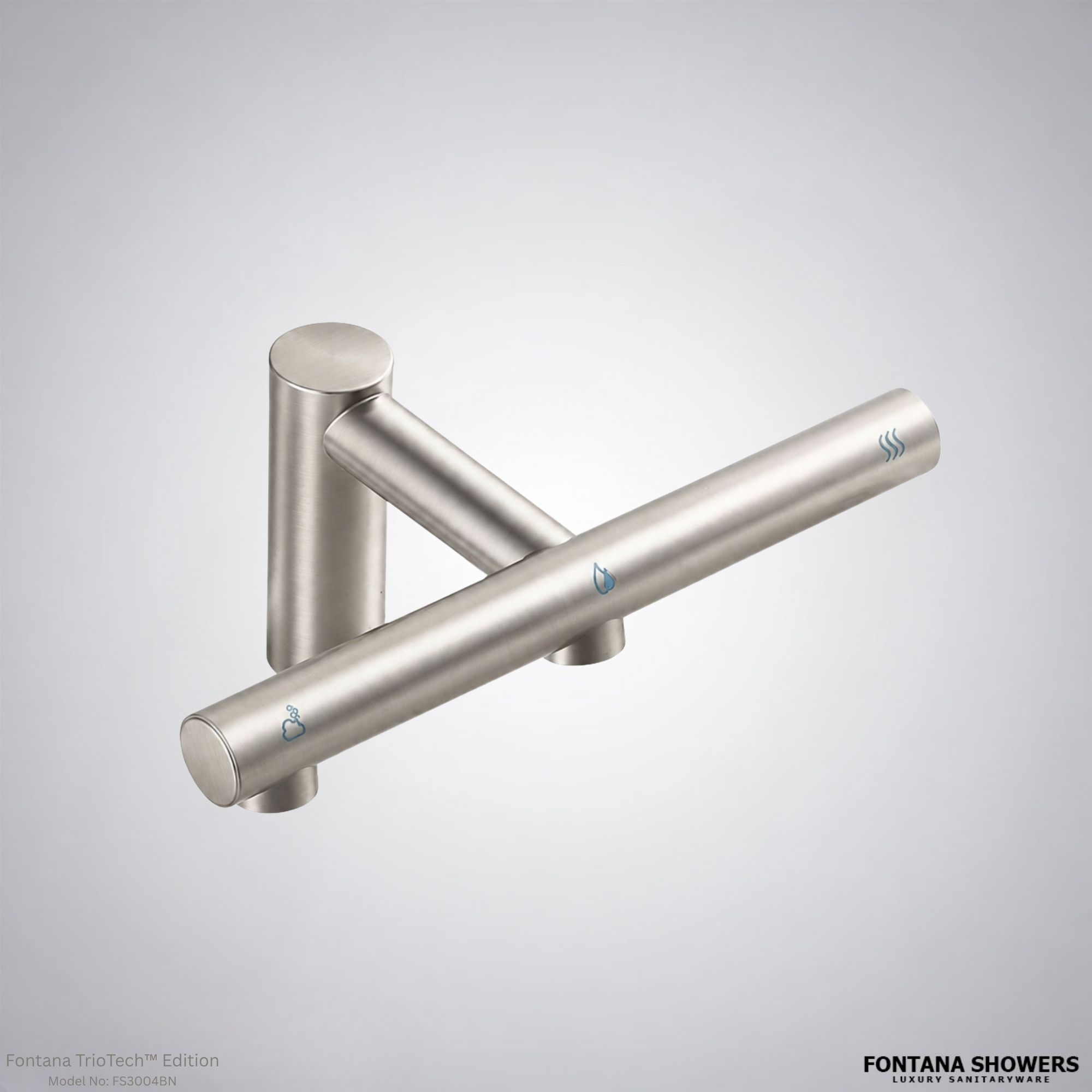
When a sensor faucet malfunctions in a public restroom, it’s not only inconvenient—it can shut down operations. From Fontana’s experience throughout malls and hospitality facilities such as the Riverview Shopping Center, it became apparent that access behind walls or too much complicated technology means lost time and increased expense.
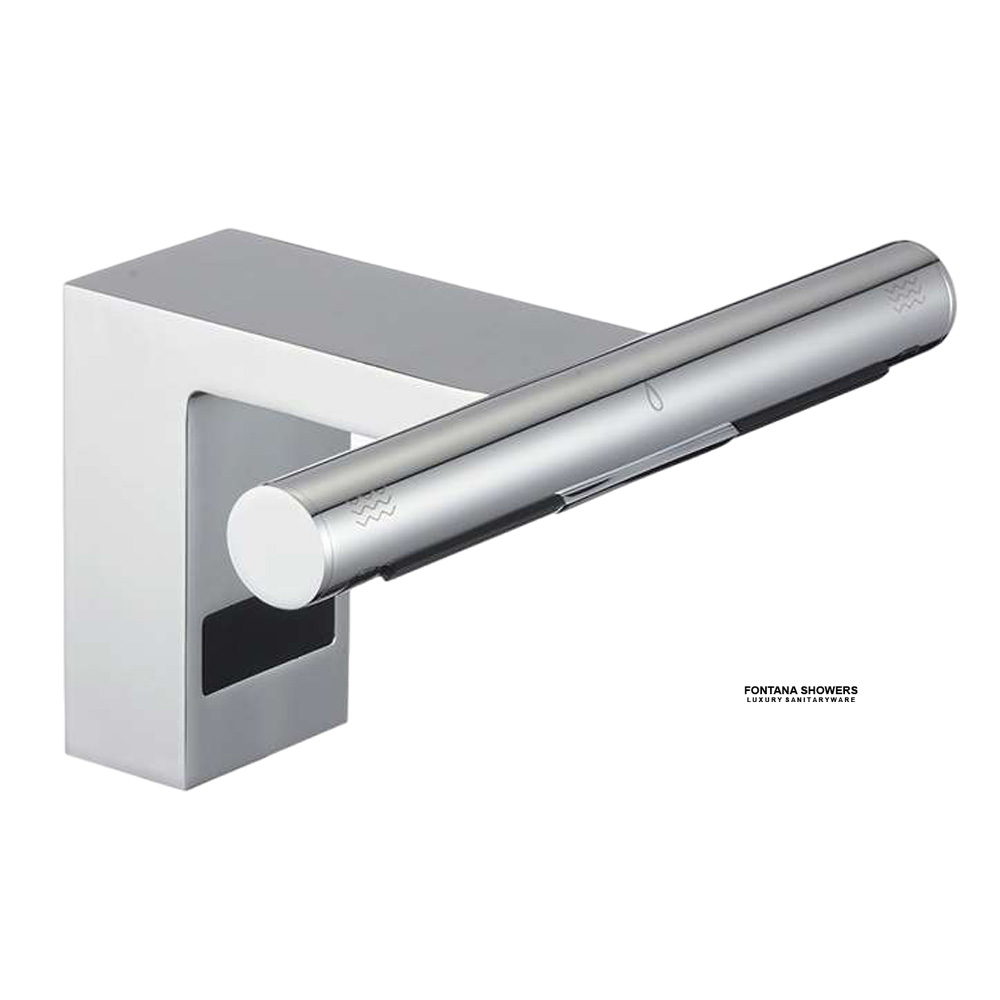
Fontana currently suggests models that feature:
- Easy-to-reach solenoid valves
- Stock AA battery packs (where applicable)
- LED indicators on battery and sensor status
By doing this, the company reduced emergency maintenance calls by almost 60% within one year at Greenhaven Convention Center, where facility janitorial workers could correct problems without calling in an expert.
4. Plumbing Infrastructure: Don’t Skip the Evaluation
In most retrofits, sensor faucet problems have nothing to do with the faucet itself but with old or incompatible plumbing. In an older building, the Grand Central Library, water pressure variation created erratic faucet performance until the plumbing lines were redistributed.
Fontana staff now consistently recommend that clients have plumbing compatibility checked prior to installation. This involves verifying:
- Stable incoming pressure (min. 0.5–1.0 GPM recommended)
- Filtration systems to prevent sensor clogging
- Hot and cold mixing valves where necessary
- Lesson Learned: Budget not only for faucets, but also for supporting plumbing upgrades.
5. Power Source Planning is Important
Certain facilities, such as the North River Correctional Facility, experienced unreliable power feeds. Where this was the case, Fontana used battery-powered sensor faucets with high-capacity lithium cells and optional solar panels. For new builds such as the Ridgeway Tech Campus, hardwiring with concealed AC adaptors provided constant uptime.
Fontana’s Power Guidance:
- Utilize hardwired models for new builds or extensive remodels
- Apply battery-powered (or hybrid) models in retrofits or in areas where electrical is restricted
- Never install dual power sources within the same restroom zone—this provides troubleshooting issues
6. User Experience: Less Is More
The Skylight Airport mounted ultra-sensitive sensors that reacted to movement from afar—causing unwanted triggering and water loss. With adjustments, Fontana calibrated the range to 4–6 inches, cutting false triggering by 70%.
Best Practice: Set default to reasonable sensitivity and 1-second delay for triggering. Users anticipate no surprise, predictable performance.
7. Case Study Summary: Fontana Success Stories
| Venue | Key Feature | Outcome |
|---|---|---|
| MediCentral Hospital | Battery + Antimicrobial | 100% uptime during blackouts |
| Metroline Airport | Vandal-proof brass build | 3+ years of zero maintenance |
| Riverview Shopping Center | Accessible battery box | 60% fewer maintenance calls |
| Ridgeway Tech Campus | Hardwired install | Smooth integration with BMS |
| Delta Field Stadium | Fast activation | 15,000 users/day handled smoothly |
Conclusion: Accuracy, Not Blind Guesswork
The installation of sensor faucets in high-traffic facilities is not a plug-and-play process. It calls for cooperation among architects, plumbing engineers, and facility managers, and a product partner such as Fontana that knows the subtleties of hardware used in commercial applications.
From plumbing compatibility to user ergonomics, power supply to vandal resistance, every project teaches its own lessons. What differentiates successful installations is a willingness to customize—not compromise.
Considering upgrading your commercial restroom? Learn from the experts and make every drop count with Fontana.
Update for Facility Teams
Additional Installation Checks Before Final Handover
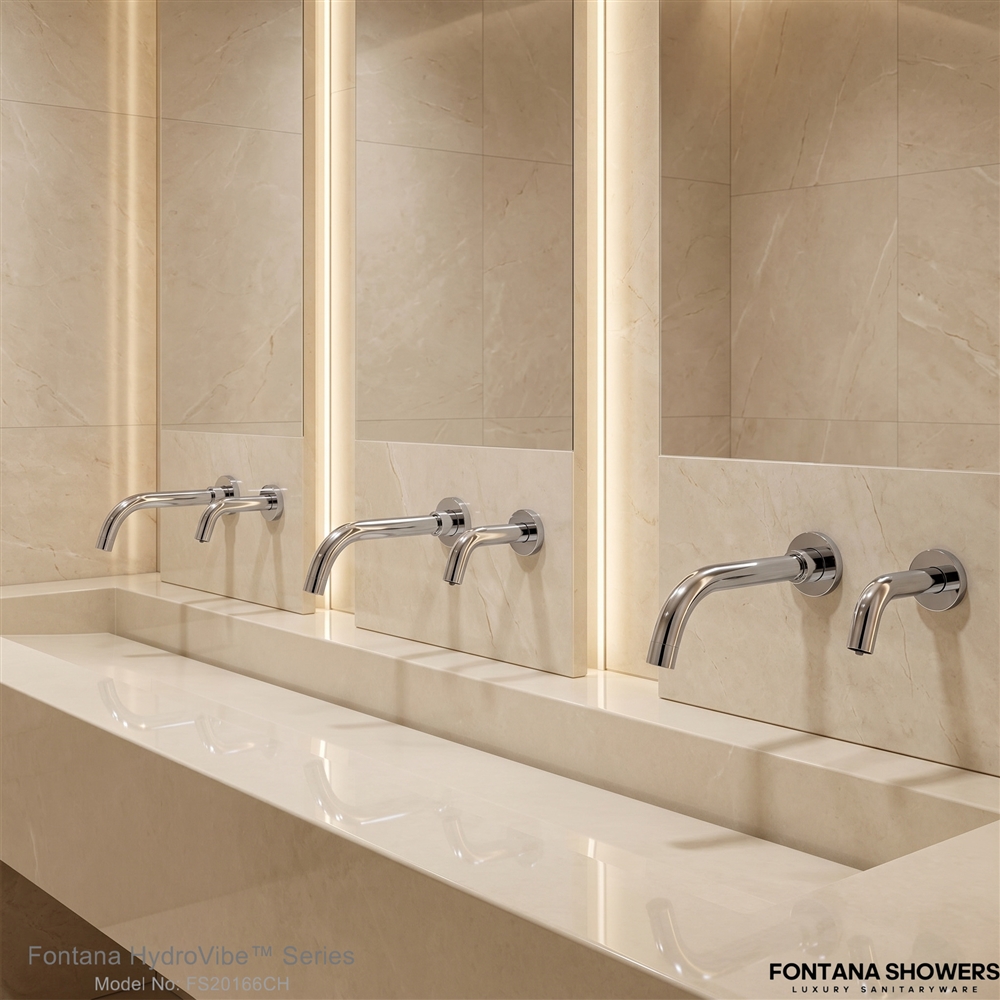
A successful sensor faucet installation should finish with simple verification steps that confirm the restroom is ready for daily public use. Before handover, teams should confirm sensor range, water temperature control, aerator flow, shutoff access, battery or power status, and under-deck component placement.
Pre-Opening Test
Run each faucet repeatedly from normal hand positions and confirm that activation is consistent without false triggering from nearby mirrors, reflective surfaces, or adjacent fixtures.
Maintenance Access
Keep solenoid valves, battery packs, filters, and mixing controls reachable for routine service so restroom downtime can be reduced during peak building hours.
User Comfort
Confirm that water flow starts quickly, stops cleanly, and feels predictable for visitors using the restroom during high-volume periods.

Why These Checks Matter in High-Traffic Restrooms
High-traffic restrooms depend on repeatable performance. Even a good fixture can create service issues when the sensor field is poorly aligned, the power source is difficult to reach, or the plumbing condition was not reviewed before installation.
Treating installation as a coordinated handover process helps facility teams maintain cleanliness, reduce unnecessary service calls, and keep restroom lines moving during busy operating periods.
Related References
Related links and source references
These references support the article’s focus on high-traffic sensor faucet selection, including water efficiency, plumbing standards, product certification, hygiene, facility management, green building frameworks, and AEC specification resources.

Pingback: How to Select Vandal-Resistant Bathroom Fixtures for Public Use Areas – Commercial Touchless Solutions