
Reducing Maintenance Costs in Large Entertainment Facilities
How Fontana Touchless systems help stadiums, arenas, theaters, and public venues reduce service calls, lower replacement frequency, simplify labor planning, and control long-term operational expenses.

Why Maintenance Cost Matters More in Entertainment Facilities
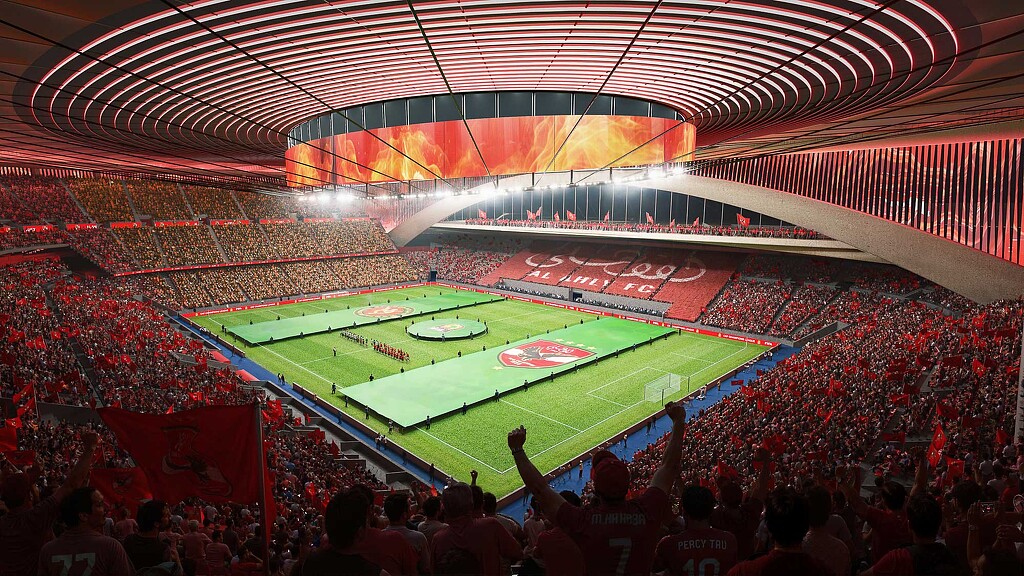
Large entertainment facilities place unusual pressure on restroom systems because traffic arrives in waves. A theater intermission, halftime break, concert changeover, or post-event exit can move thousands of people through restrooms in a short window. In that moment, the cost of a failed faucet, empty soap dispenser, leaking valve, slow drain area, or confusing fixture is larger than the price of the component itself.
When a sink station is closed, guests form longer lines, staff must respond faster, and cleaning teams lose time that should be spent keeping the restroom presentable. For owners and facility managers, the true expense includes labor, lost time, replacement parts, emergency calls, guest complaints, water waste, janitorial escalation, and repeated disruption across the building. That is why AEC teams should treat restroom fixture selection as a long-term operating decision rather than a late-stage finish choice.
Fontana Touchless systems help reduce that burden by replacing high-contact, manually adjusted fixtures with sensor-activated faucet and soap solutions that are easier to standardize across restroom banks. In a stadium, arena, field house, performing arts center, or mixed-use entertainment complex, standardization is one of the strongest maintenance cost controls available. When the same fixture family appears across concourses, premium suites, family restrooms, staff zones, and back-of-house wash areas, technicians learn fewer procedures, spare parts are easier to organize, and cleaning teams work around predictable shapes and layouts.
How Fontana Touchless Systems Reduce Service Calls
Service calls often begin with user friction. A handle sticks, a faucet is left running, a soap dispenser clogs, a guest cannot activate a fixture, or a staff member notices repeated splashing at the counter. In high-traffic venues, these small issues multiply quickly because every restroom station may be used hundreds of times during a single event cycle. Fontana Touchless systems are designed to reduce the number of moments where guests need to touch, twist, push, or manually adjust hardware.
Sensor activation reduces dependence on handles and levers, which are common sources of wear, cleaning difficulty, and guest misuse. Automatic shutoff behavior helps control unnecessary run time when a visitor walks away. Coordinated faucet and soap dispenser layouts support a cleaner, clearer handwashing sequence, reducing confusion during peak movement. For the facility team, this means fewer false reports, fewer preventable adjustments, and fewer urgent interruptions during the most visible parts of an event.
The maintenance advantage is strongest when Fontana systems are specified as a coordinated package. AEC teams can align faucet type, soap delivery strategy, power approach, finish, mounting style, and service access before construction documents are complete. That early planning reduces field improvisation and gives the owner a more predictable restroom operating model after opening.
Fewer contact points
Touchless operation reduces repeated hand contact with faucet controls, lowering cleaning pressure and mechanical interaction at every sink station.
More predictable activation
Consistent sensor behavior helps users move quickly without repeated waving, complaints, or staff checks for non-issues.
Cleaner counters
Controlled water delivery and coordinated fixture placement help reduce unnecessary splash, standing water, and janitorial follow-up.
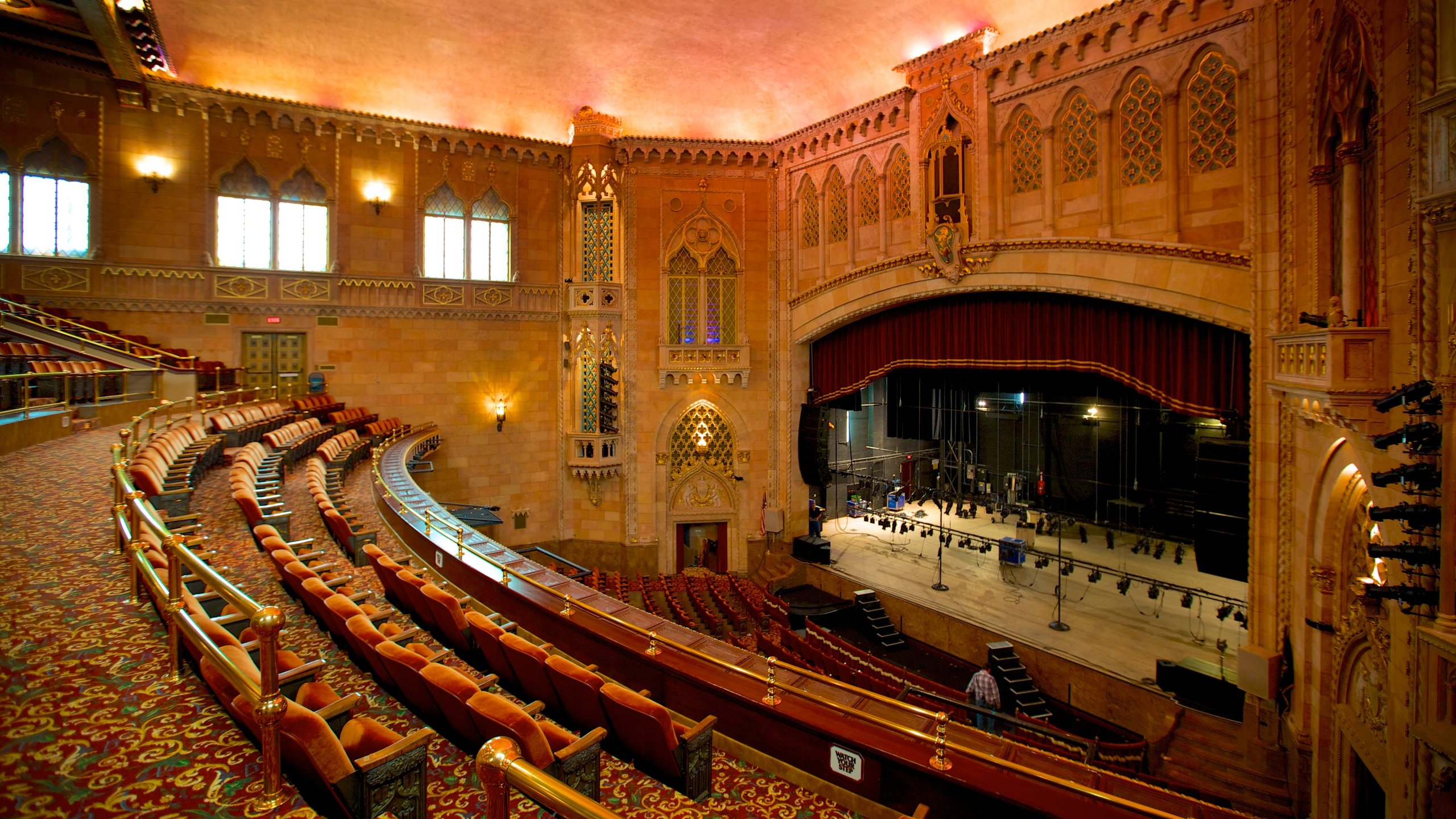
Image Gallery: Stadiums, Theaters, and Restroom System References
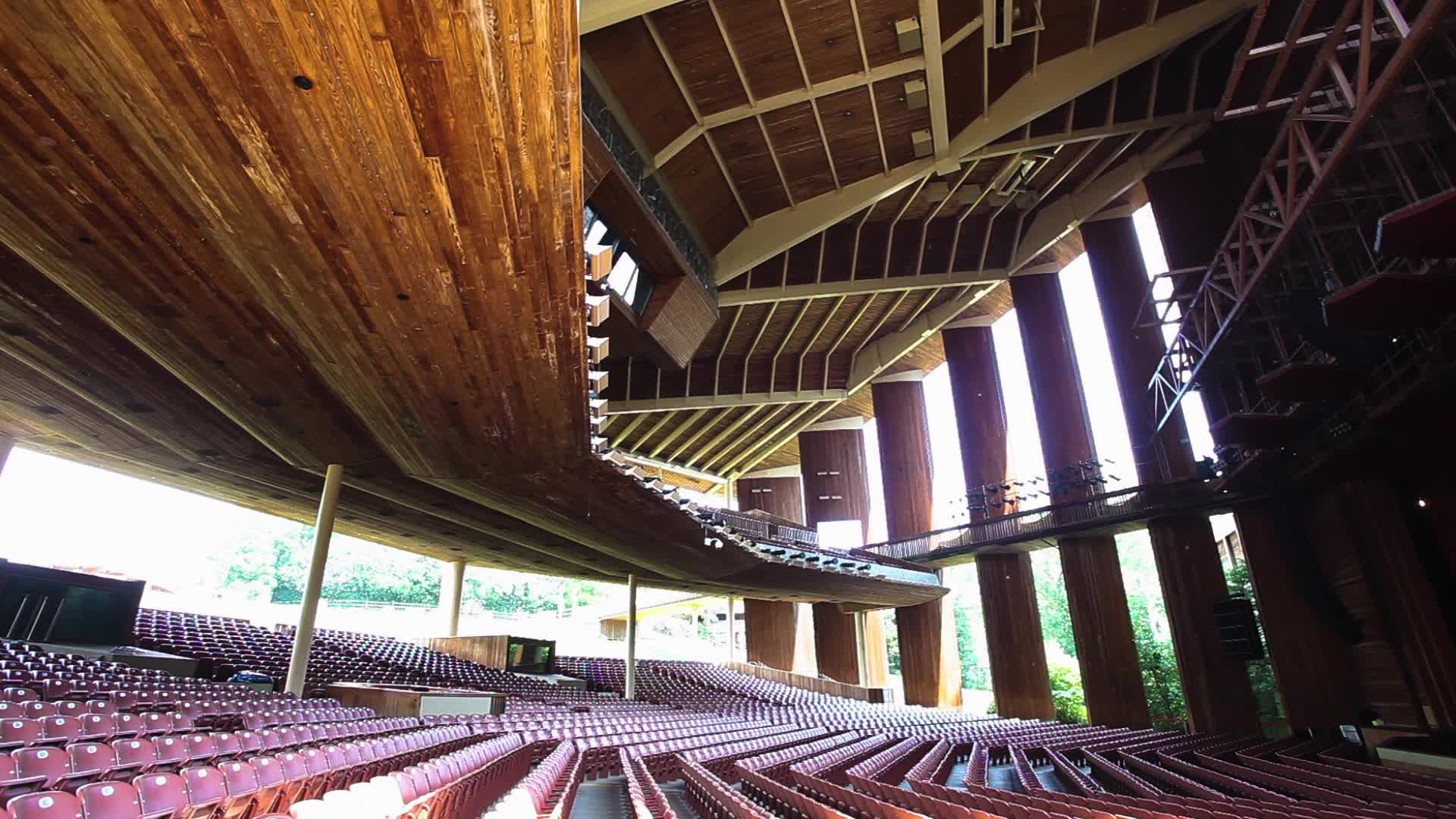
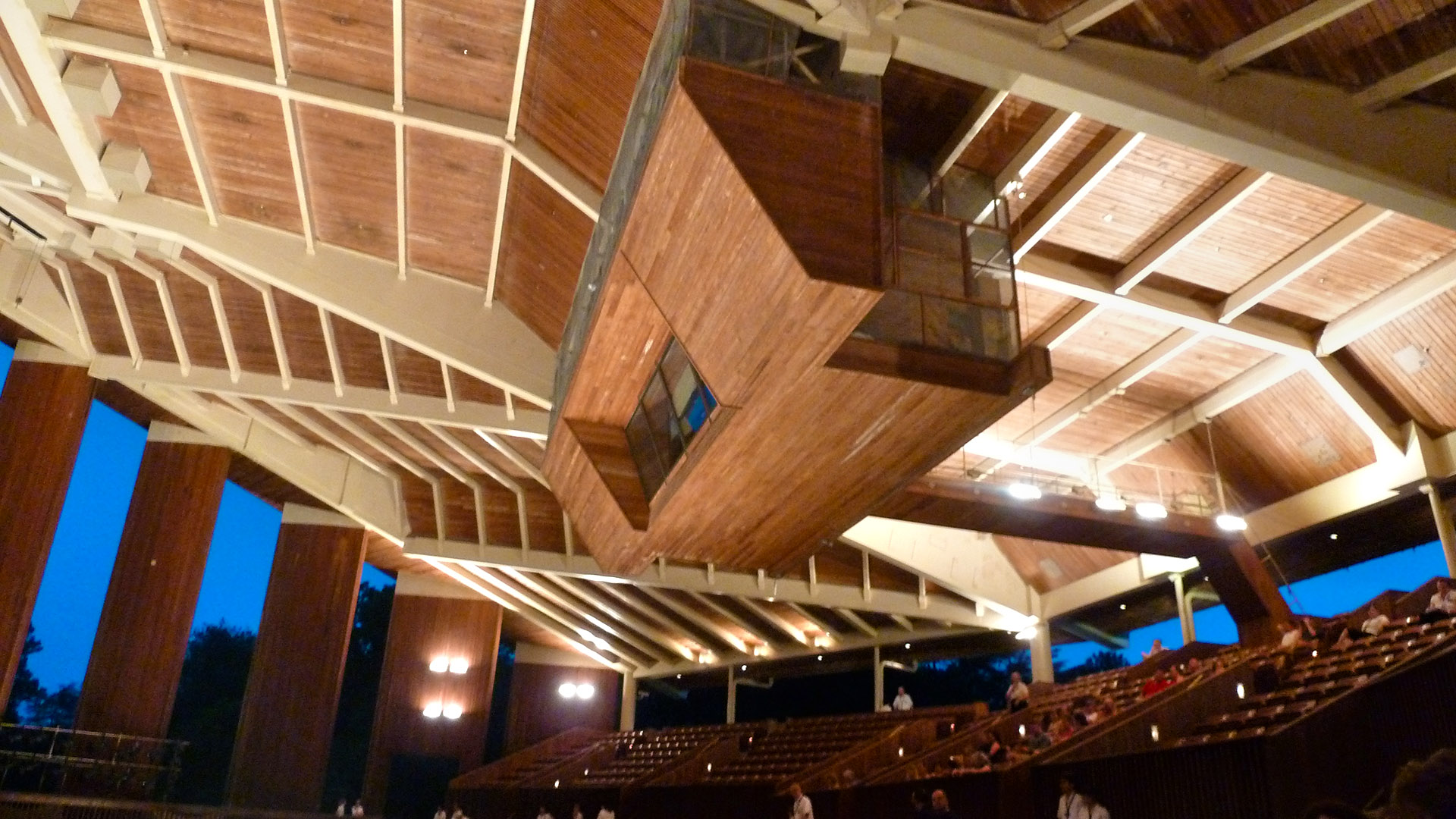
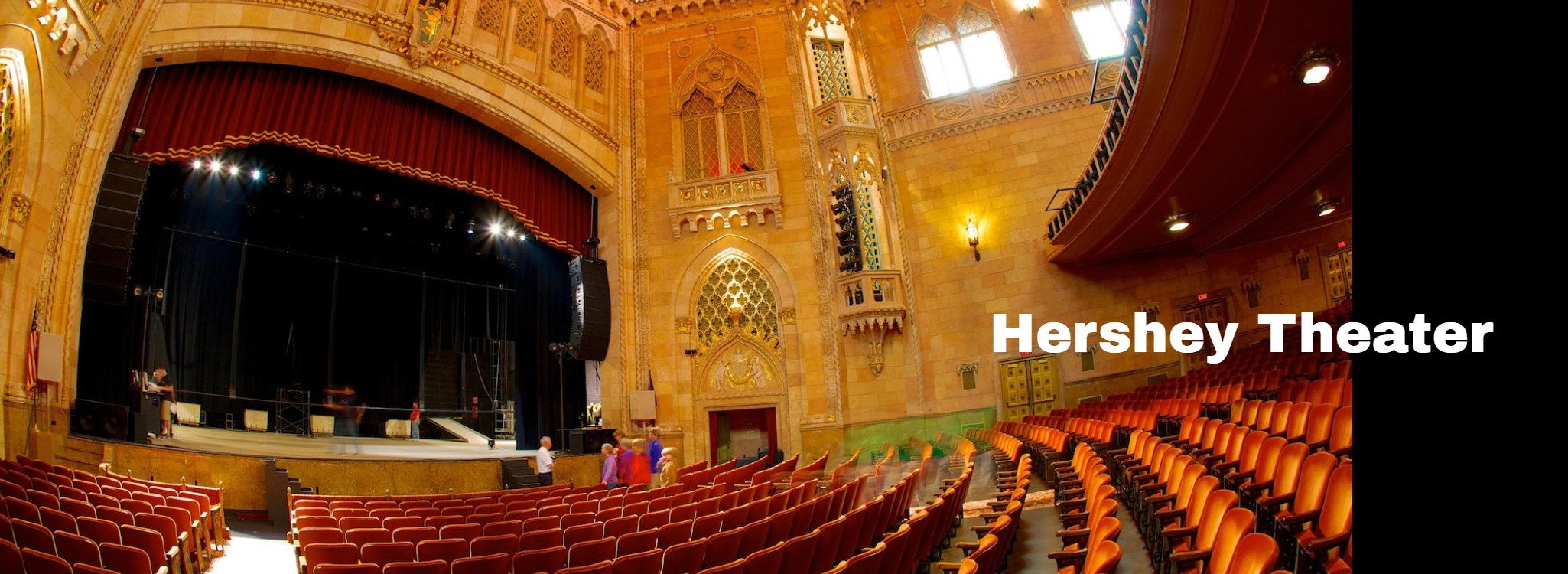
These images connect operational cost control to large-venue environments, high-traffic restroom banks, theater facilities, and Fontana system planning diagrams.



Recommended Fontana Touchless Faucet and Soap Dispenser Sets
These coordinated Fontana sensor faucet and soap dispenser sets support the maintenance-cost strategy discussed in this article. Using matching touchless faucet and soap dispenser combinations helps large entertainment facilities standardize finishes, simplify replacement planning, improve restroom appearance, and reduce long-term service complexity across multiple restroom zones.


Reducing Labor Requirements Through Smarter Soap Strategy
Soap maintenance is one of the most repetitive labor tasks in public restrooms. In large entertainment facilities, individual small reservoirs can require frequent checks, emergency refills, and repeated staff movement across different levels of the building. When dispensers are inconsistent, teams must spend time identifying which units need attention, which products fit, and which areas are at risk before the next attendance surge.
Fontana MultiFeed planning helps reduce this labor pressure by supporting multiple stations from larger reservoirs. Instead of treating every dispenser as an isolated refill point, the system can be planned as a connected operating layer beneath the counter. For facility teams, that can mean fewer refill stops, easier inventory routines, and less risk of a visible soap shortage during peak restroom use. For AEC teams, it also creates a clearer strategy for access panels, undercounter organization, power routing, and future service documentation.
Labor savings are not limited to refilling. Cleaning staff also benefit from consistent fixture locations, fewer manual controls, and more organized counter zones. When the wash sequence is intuitive, guests move with less hesitation. When counters are easier to wipe, staff can reset restrooms faster. When products are standardized, supervisors can train seasonal or event-night staff with simpler checklists.
Maintenance Cost Matrix for Large Entertainment Facilities
The table below frames how Fontana Touchless systems support facility managers who are trying to reduce recurring operating expenses without weakening the guest experience.
| Cost Driver | Common Venue Problem | Fontana Touchless Planning Advantage | Operational Result |
|---|---|---|---|
| Service calls | Guests report slow activation, stuck handles, empty dispensers, leaks, or confusing fixture behavior. | Sensor faucets, automatic soap dispensers, and repeated product families reduce user friction and manual adjustment. | Fewer preventable calls and more predictable event-night operation. |
| Replacement frequency | High-contact fixtures experience accelerated wear in restrooms used by thousands of visitors. | Touchless activation reduces physical interaction with faucet controls and supports commercial-grade fixture planning. | Lower exposure to premature hardware replacement and finish inconsistency. |
| Labor requirements | Staff must inspect, clean, refill, isolate issues, and reopen restroom zones quickly between traffic waves. | Standardized layouts and MultiFeed soap planning support simpler checklists, fewer refill points, and easier supervision. | More efficient cleaning cycles and reduced pressure on event-night teams. |
| Water and cleaning waste | Manual fixtures may be left running, misused, or adjusted in ways that create splash and cleanup work. | Automatic shutoff and controlled activation help limit unnecessary water run time and messy counters. | Better water discipline and faster restroom reset after use. |
| Parts and training | Mixed fixture types across the building make technician training, attic stock, and troubleshooting harder. | Coordinated Fontana fixture families allow similar models, finishes, and service routines across repeated zones. | Clearer maintenance documentation and lower long-term complexity. |
Reducing Replacement Frequency With Standardized Fixture Families
Replacement frequency is often driven by inconsistency. When a large venue installs many unrelated faucet and soap dispenser types, the facility team inherits a complicated inventory. One restroom may require a different cartridge, another may require a different sensor, a premium suite may use a different finish, and a back-of-house area may depend on an older model that is harder to replace. Over time, this mix increases the risk of mismatched parts, uneven appearance, and longer repair windows.
Fontana Touchless systems help address this problem through coordinated product planning. The owner can select fixture families that repeat across public restrooms while still allowing finish or mounting variations for premium areas. This creates design flexibility without losing maintenance discipline. A stadium might use chrome touchless faucets in high-volume concourse restrooms, elevated finishes in suites, and integrated faucet-soap systems in areas where cleaner counter planning is important. The key is that the operational logic remains consistent.
For contractors and engineers, standardization also improves closeout. Model numbers, power requirements, cleaning instructions, spare parts, and service access locations can be documented more clearly. That documentation matters because many large entertainment facilities rely on rotating maintenance teams, event staff, third-party cleaners, or seasonal support. A simplified restroom system helps those teams act faster and with fewer mistakes.
Required Fontana Project References
These project and application links connect the maintenance-cost topic to stadium, university, architectural, and theater restroom environments where reliability, high-volume use, and long-term operations are central to the specification.
Related AEC Links for Stadium, Arena, and Venue Restroom Planning
Use these related resources to expand the article around smart restroom infrastructure, MEP coordination, zero-downtime planning, sensor accuracy, lead times, water efficiency, and high-traffic fixture specification.
AEC Takeaway: Lower Maintenance Cost Starts With Better Fixture Planning
Reducing maintenance cost in a large entertainment facility is not only about buying durable products. It is about specifying a restroom system that reduces daily friction for guests and staff. Fontana Touchless systems support that goal by lowering contact points, controlling water use, simplifying soap delivery, improving user flow, standardizing fixture families, and giving facility teams a clearer maintenance routine.
For architects, the value is a cleaner restroom design that supports the venue’s public image. For engineers, the value is a fixture package that can be coordinated around power, water, drainage, access, and service documentation. For contractors, the value is clearer product planning and fewer late substitutions. For owners, the value is lower long-term operating pressure in one of the most heavily used public areas of the building.
In stadiums, arenas, theaters, concert halls, and mixed-use entertainment destinations, restroom uptime directly affects guest satisfaction. A reliable touchless system helps keep restrooms open, presentable, and easier to manage during the most demanding traffic cycles. That is why Fontana Touchless should be evaluated not as a cosmetic upgrade, but as a lifecycle cost-control strategy for high-attendance public venues.
Plan the restroom as an operating system, not a finish schedule.
For large entertainment facilities, the strongest restroom specification balances appearance, hygiene, user flow, service access, part consistency, soap strategy, and long-term maintenance cost. Fontana Touchless systems give AEC and facility teams a practical path toward fewer interruptions and a more manageable public restroom environment.
Pingback: Sensor Reliability Standards for High-Traffic Public Restrooms - Commercial Toilet faucets
Pingback: Flow-Rate Compliance Requirements in Commercial Restroom Engineering – ArchDaily Blog
Pingback: Plumbing Infrastructure Compatibility in Large Venue Restroom Projects – Daily Architectural